
By ProHobby™ | Ecological Systems Authority
Septicaemia is the aquarium disease that demands same-day action. Unlike fin rot that progresses over days, or dropsy that develops over weeks, systemic bacterial infection — once in the bloodstream — can kill a fish within 24–48 hours of the first visible red streaking appearing under the scales. The characteristic presentation is unmistakable to anyone who has seen it: haemorrhagic red lines branching beneath the skin, bloody fin bases, rapid physical deterioration, and a fish that looked fine yesterday. Recognising this and treating immediately is the difference between saving a fish and losing it.
Table of Contents
- What Causes Septicaemia — The Bacteria and the Pathway
- Symptoms — Recognising Septicaemia Immediately
- How Septicaemia Differs From Dropsy
- Emergency Treatment — Step by Step
- Prognosis — Honest Assessment
- Why Septicaemia Develops — The Root Cause
- After Treatment — Preventing Recurrence
- India and Delhi NCR — Specific Considerations
- Frequently Asked Questions
1. What Causes Septicaemia — The Bacteria and the Pathway
Septicaemia is caused by bacterial invasion of the bloodstream — bacteria that have moved beyond a localised infection site (a wound, fin rot lesion, or internal infection) into the circulatory system. Once systemic, bacteria multiply throughout the body, producing toxins that damage blood vessel walls throughout the fish simultaneously.
Primary bacteria:
- Aeromonas hydrophila and A. salmonicida — the most common freshwater septicaemia pathogens; the same organisms responsible for fin rot, popeye, and dropsy
- Pseudomonas fluorescens — gram-negative opportunist
- Vibrio species — particularly in marine systems
The pathway: Septicaemia is not a random event. It is the result of a localised bacterial infection — fin rot, a wound, body ulcers — that was not treated, or was treated in water that remained compromised, allowing the infection to spread from the tissue site into the bloodstream. Water quality failure creates both the immune suppression that permitted the original infection and the sustained condition that allows it to progress systemically. The stress-immunity mechanism: The Science of Fish Stress.
2. Symptoms — Recognising Septicaemia Immediately
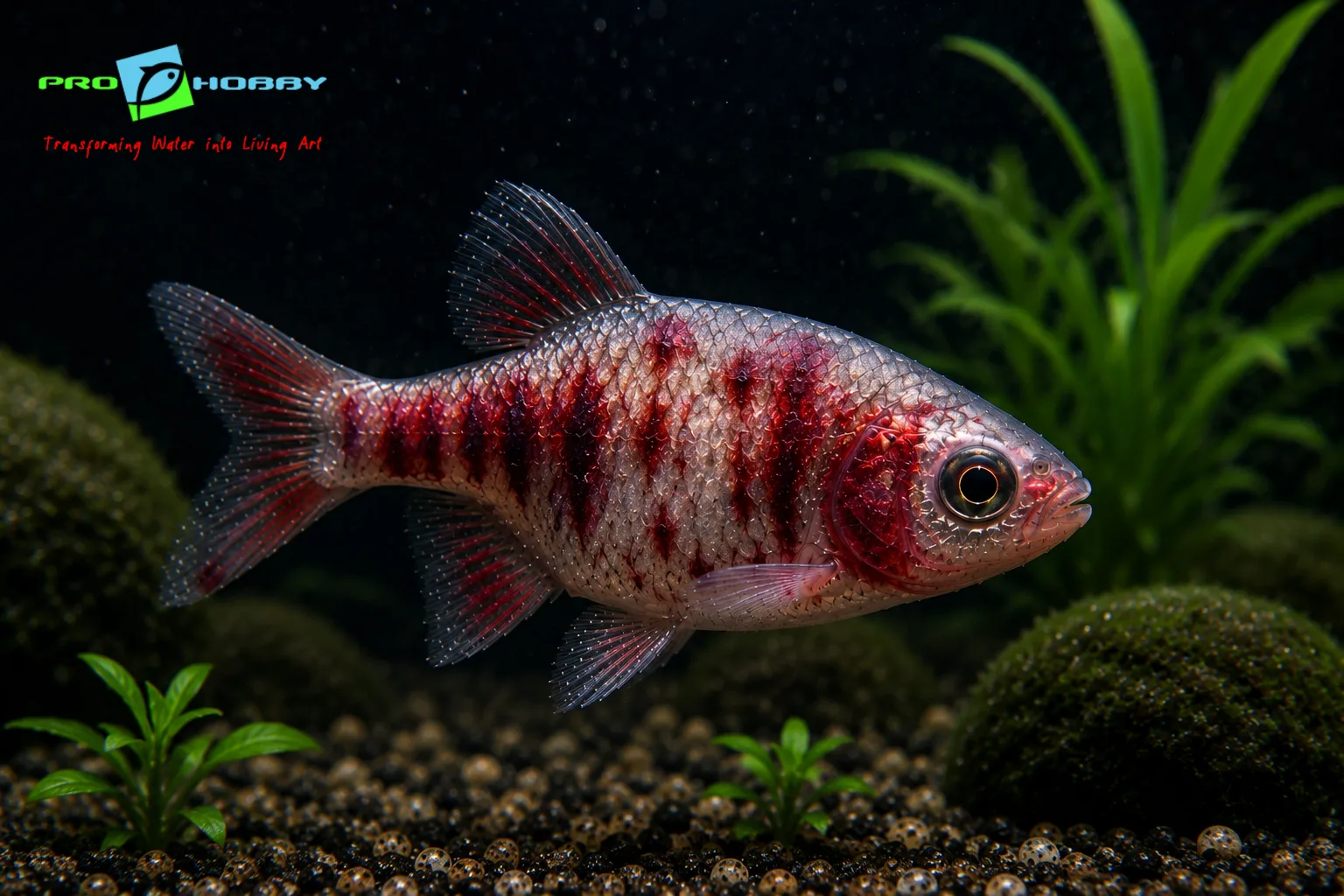
Haemorrhagic red streaking — the defining sign. Red lines or blotches visible beneath the scales, following the branching pattern of blood vessels under the skin. Bacterial toxins damage the blood vessel walls, producing haemorrhages that are visible through the skin. This presentation is sometimes called “red pest” or “red disease” in older aquarium literature.
Bloody or inflamed fin bases. The junction between fin and body becomes red and inflamed. Fin tissue may begin deteriorating rapidly — the overlap with haemorrhagic fin rot is significant.
Inflamed abdomen and vent area. Redness around the abdomen, particularly visible around the vent. The abdomen may be slightly swollen — the early stage of the fluid accumulation that becomes dropsy if the fish survives long enough for kidney failure to progress.
Loss of equilibrium. Fish struggling to maintain position, listing sideways, floating at surface.
Rapid overall deterioration. A fish that appeared normal the previous day may be near death within 24 hours. This speed — faster than virtually any other common aquarium bacterial disease — is the key diagnostic feature.
3. How Septicaemia Differs From Dropsy
Both conditions involve the same Aeromonas bacteria and can appear superficially similar. They are different clinical presentations of the same underlying infection at different stages.
| Feature | Septicaemia | Dropsy |
|---|---|---|
| Speed | Hours to days — acute emergency | Days to weeks — chronic progression |
| Scale protrusion | Absent or minimal | Pineconing — full body, diagnostic |
| Haemorrhagic streaking | Present — the key diagnostic sign | Often absent |
| Abdominal swelling | May be mild at onset | Significant — fluid accumulation |
| Prognosis with treatment | Meaningful chance if caught early | Poor overall; scale protrusion = late stage |
| Primary mechanism | Bloodstream bacterial invasion | Kidney failure and fluid regulation collapse |
Septicaemia treated aggressively and immediately can be resolved. Septicaemia that progresses untreated becomes dropsy — at which point the prognosis framework from the Dropsy guide applies.
4. Emergency Treatment — Step by Step
This is an emergency. Begin treatment the same day symptoms are identified.
Step 1: Isolate in a hospital tank immediately. Do not wait until the hospital tank is fully cycled — use established filter media from the main tank if possible, or run the hospital tank with daily ammonia management. The fish cannot remain in the main tank.
Step 2: Begin gram-negative antibiotic treatment immediately.
- Kanamycin sulphate at 40–50 mg/L in the hospital tank water
- Or nitrofurazone at manufacturer’s recommended dose
Remove activated carbon before adding any medication — it adsorbs antibiotics and renders them ineffective.
Step 3: While treating — perform a 30–40% water change in the main tank. Test ammonia and nitrite. Other fish in the same water are at elevated risk. Address any parameter issues immediately. How to Do a Water Change.
Step 4: Monitor ammonia daily in the hospital tank throughout the antibiotic course. Antibiotics damage biological filtration — test and manage with water changes as covered in Ammonia in Aquariums.
Step 5: Continue antibiotics for minimum 7–10 days, and 3 days beyond the complete disappearance of haemorrhagic streaking. Stopping too early produces relapse. How to Clean an Aquarium Filter Without Killing Bacteria covers biofilm recovery during the antibiotic course.
5. Prognosis — Honest Assessment
Early intervention (haemorrhagic streaking with fish still swimming normally, some feeding response): Meaningful chance of recovery with aggressive same-day treatment.
Intermediate stage (streaking extensive, fish listing but responsive): Treatment is warranted; prognosis guarded.
Advanced stage (loss of equilibrium, fish floating, skin breaking down): Treatment unlikely to succeed. Humane euthanasia with clove oil (10+ drops per litre) should be considered.
The honest assessment of whether a fish is saveable versus whether treatment prolongs suffering is one of the most important management decisions in aquarium keeping.
6. Why Septicaemia Develops — The Root Cause
Every septicaemia case has a history. The bacteria that cause it are present in every established aquarium. They establish septicaemia only by:
- Gaining entry through a wound or existing infection site (fin rot, scale damage, parasite attachment point)
- Being enabled by immune suppression from water quality failure — ammonia, nitrite, chronic stress — that prevented the fish from containing the localised infection
Septicaemia is fin rot that was not caught early, in water that was not corrected, in a fish whose immunity was too compromised to prevent systemic spread. Addressing the root cause prevents recurrence.
7. After Treatment — Preventing Recurrence
Successful antibiotic treatment resolves the immediate crisis. It does not protect against recurrence if the underlying conditions remain.
Audit water quality thoroughly: Complete Water Chemistry Guide. Remove all sharp décor. Manage aggression and fin-nipping. Ensure filter maintenance is performed correctly and not coinciding with water changes. Quarantine all new fish before introduction: Quarantine vs Medication.
8. India and Delhi NCR — Specific Considerations
Summer heat and bacterial virulence: Aeromonas bacteria grow more rapidly at higher temperatures — the same dynamic that makes Columnaris more lethal at Indian summer temperatures. A septicaemia case in a tank running 30°C during Delhi NCR summer has a significantly shorter treatment window than the same case at 26°C. Monitor closely during summer months and act the same day any haemorrhagic symptoms appear. Aquarium Water Temperature in Indian Summer.
Oxygen depletion compounding septicaemia: Indian summer also reduces dissolved oxygen. A fish with septicaemia already has compromised circulation from vascular damage; low oxygen compounds this significantly. Ensure strong surface agitation in any tank where septicaemia is suspected. Aquarium Dissolved Oxygen.
Frequently Asked Questions
My fish has red streaks under its scales — what is wrong? Haemorrhagic septicaemia — systemic bacterial infection producing internal haemorrhaging visible through the skin. This is an emergency. Isolate in a hospital tank and begin gram-negative antibiotic treatment (kanamycin or nitrofurazone) the same day. Do not wait.
What is the difference between septicaemia and dropsy? Septicaemia is the acute bloodstream stage — fast-moving (hours to days), with haemorrhagic red streaking as the diagnostic sign. Dropsy is chronic fluid accumulation from kidney failure — slower, with pineconing of scales as the diagnostic sign. Untreated septicaemia progresses to dropsy. Treated early, septicaemia has a meaningful recovery chance; late-stage dropsy does not.
Why does septicaemia happen so suddenly? Once bacteria enter the bloodstream they circulate throughout the body simultaneously. Bacterial toxins damage blood vessels throughout the fish within hours — the haemorrhages visible under the skin represent simultaneous multi-site vascular damage. The same bacteria that caused localised fin rot over days cause systemic damage within hours once bloodstream access is established.
Can septicaemia affect multiple fish in the same tank? Yes, if water quality failure is the underlying cause — all fish in the same compromised water share the same immune suppression that enables the bacteria to establish systemically. One fish with septicaemia should prompt immediate water testing and a large water change for the whole tank, not just treatment of the affected individual.