
By ProHobby™ | Ecological Systems Authority
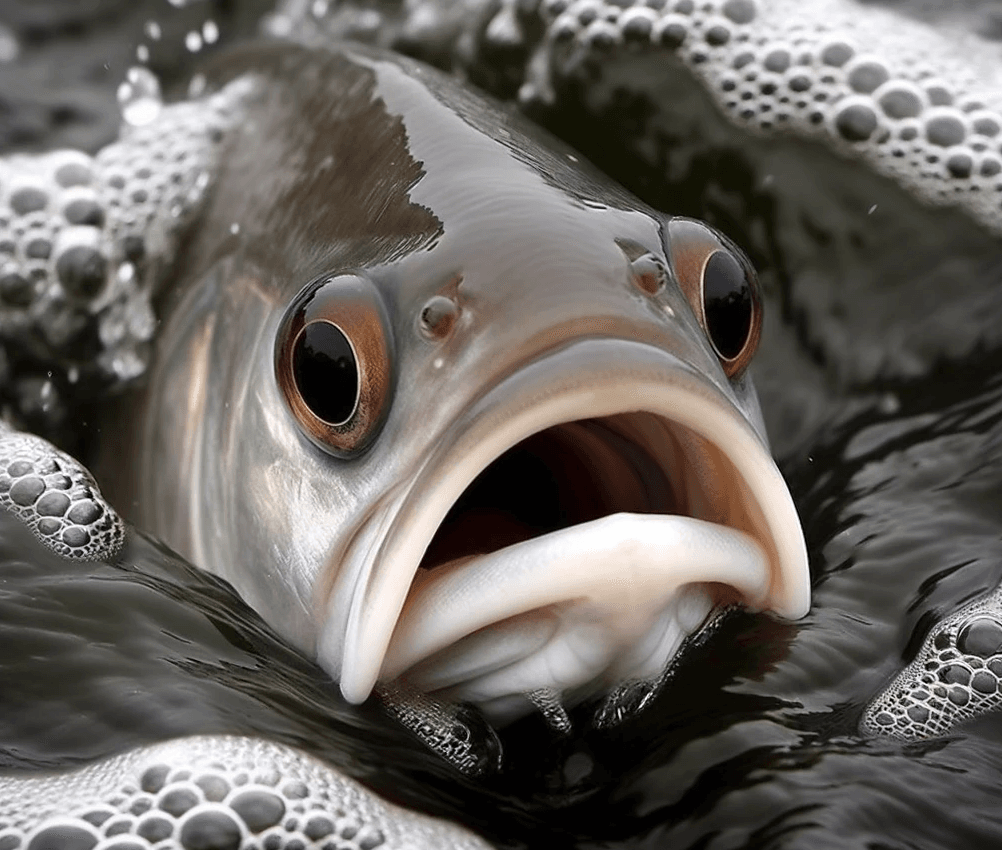
A fish at the water surface, mouth working rapidly, is one of the most alarming sights in aquarium keeping. It is also one of the most misdiagnosed. Not all surface behaviour means the same thing, not all surface behaviour is an emergency, and the cause of gasping in one type of tank is completely different from the cause in another. Responding to the wrong cause with the wrong fix can make the situation significantly worse.
This guide starts with the single most important diagnostic question — is it one fish or all fish? — and works through every cause with its specific mechanism, specific diagnosis, and specific response. If your fish are gasping right now, Section 1 is the emergency protocol. If you want to understand what caused it and how to prevent it, the rest of the guide provides the complete framework.
Table of Contents
- Fish Are Gasping Right Now — Emergency Response
- The First Diagnostic Question: One Fish or All Fish?
- The Labyrinth Fish Exception — When Surface Breathing Is Normal
- Understanding Dissolved Oxygen — What It Is and What Controls It
- Every Cause Explained in Full
- 5a. Insufficient Surface Agitation — the Primary Cause
- 5b. Nighttime Oxygen Depletion in Planted Tanks
- 5c. Temperature — the DO Solubility Curve
- 5d. Ammonia and Nitrite — Gill Damage
- 5e. Gill Disease and External Parasites
- 5f. CO₂ Excess
- 5g. Surface Film Blocking Gas Exchange
- 5h. Power Cut Oxygen Depletion
- 5i. Chlorine and Chloramine Acute Gill Damage
- 5j. Overstocking and Biological Oxygen Demand
- The Diagnostic Matrix — Matching Your Pattern to a Cause
- What NOT to Do
- Long-Term Prevention
- India-Specific Risk Factors
- Frequently Asked Questions
1. Fish Are Gasping Right Now — Emergency Response
If fish are visibly gasping at the surface right now, take these steps in this order before doing anything else.
Immediately: Maximise surface agitation. Point your filter return nozzle toward the water surface to create visible rippling. If you have a powerhead, aim it at the surface. If you have an airstone and air pump, run it at maximum. If nothing else is available, open or remove the tank lid — a covered tank with no lid gap restricts atmospheric oxygen exchange. This is the single most immediate intervention regardless of the underlying cause.
Check whether it is all fish or just one species. If all fish of all species are at the surface, this is an environmental emergency affecting the whole tank. If only one species is at the surface and others appear normal, the cause may be species-specific or, if the affected fish are bettas or gouramis, it may be entirely normal behaviour — see Section 3.
Test ammonia and nitrite. If you have a test kit, test now. Any positive ammonia or nitrite reading alongside gasping confirms those compounds are damaging gill function. Perform a 30–40% water change with properly dechlorinated, temperature-matched water.
Was there a recent power cut? If power has been off for more than 30 minutes in a warm tank, oxygen depletion is the most likely cause. Priority: restore surface agitation. Secondary: partial water change to introduce oxygenated water.
Was a water change performed recently? If gasping began within hours of a water change, the water may have contained chlorine or chloramine, or been a significantly different temperature. Perform another 30–40% water change with water that has been tested for temperature match and treated with a full-spectrum dechlorinator.
Do not add medication at this stage. Most medications reduce dissolved oxygen and add chemical stress to an already compromised situation. Establish the cause before introducing any treatment.
2. The First Diagnostic Question: One Fish or All Fish?
This is the most important question in gasping diagnosis and the one most guides skip entirely. The answer immediately eliminates most possible causes and points toward the correct ones.
All fish gasping simultaneously:
When every fish in the tank — across all species and sizes — is at the surface at the same time, the cause is environmental and affects the whole tank. It is almost always one of these:
- Dissolved oxygen has dropped below the threshold for the most sensitive fish, and all fish are responding simultaneously
- Ammonia or nitrite has reached a concentration that is damaging gill function across all fish
- A power cut has stopped surface agitation and the tank’s DO is depleting
- An acute chemical event — untreated water change, chemical contamination — is affecting the entire water column
This is a whole-tank emergency. Parameters, recent events, and the physical state of the tank (surface movement, temperature, clarity) are all relevant.
One fish or one species gasping while others appear normal:
When a single fish, or fish of one specific species, are at the surface while all others are behaving normally, the cause is almost certainly species-specific:
- The affected fish may be a labyrinth species (betta, gourami) engaging in normal atmospheric breathing — see Section 3
- The affected species may have a tighter tolerance for dissolved oxygen than the others (tetras, for instance, are more sensitive than live-bearers)
- The affected individual may have gill disease or parasites compromising its ability to extract oxygen from the water — while the rest of the tank is fine, this fish cannot process what oxygen is available
- The affected fish may have ammonia-damaged gills from a previous exposure that healed externally but left permanent gill tissue damage
Morning gasping that clears by afternoon:
Fish gasping at or near the surface in the morning, appearing progressively better as the day goes on, and normal by afternoon — this is the diagnostic signature of nighttime oxygen depletion in a planted tank. After lights-out, photosynthesis stops. All organisms in the tank consume oxygen continuously. By early morning, dissolved oxygen is at its daily minimum. The lights-on period restores it through photosynthesis. Section 5b covers this in full.
Gasping immediately after a water change:
Surface behaviour or rapid gill movement appearing within minutes to an hour of a water change almost always indicates acute chemical shock — untreated chlorine or chloramine, or a significant temperature difference between the new water and the tank. Section 5i covers the mechanism.
3. The Labyrinth Fish Exception — When Surface Breathing Is Normal
This section prevents one of the most common misdiagnoses in the hobby.
Bettas (Betta splendens), gouramis (all Trichogaster and Colisa species), paradise fish (Macropodus opercularis), and several other species possess a labyrinth organ — a specialised structure in the gill chamber that allows them to breathe atmospheric air directly from the surface. These fish evolved in shallow, stagnant, oxygen-depleted water environments where the ability to gulp air at the surface was a survival advantage.
In a healthy, well-oxygenated tank, labyrinth fish will still visit the surface regularly to gulp air. This is not distress behaviour. It is normal physiology. A betta that surfaces every few minutes, takes a small gulp of air, and returns to mid-water is doing exactly what its biology requires. A gourami skimming just below the surface is not gasping — it is accessing its supplementary oxygen source.
How to distinguish normal labyrinth breathing from genuine distress:
Normal surface breathing: the fish approaches the surface calmly, takes a single gulp, and returns to normal activity. Gill movement is regular, not dramatically elevated. The fish is eating normally, showing normal colouration, and otherwise behaving as expected.
Distress surface breathing: the fish remains at the surface continuously, unable or unwilling to return to deeper water. Gill movement is rapid and laboured. The fish appears lethargic, is not eating, and may show colour changes. Other fish in the tank (including non-labyrinth species) may also be showing elevated surface activity.
If your betta surfaces occasionally between normal swimming: this is normal, do not intervene.
If your betta is permanently at the surface, cannot swim downward, or is showing the lethargy pattern: this is distress and requires the same diagnostic framework as for other species — rule out oxygen depletion, ammonia, nitrite, and gill disease.
A betta at the surface of a tank with a lid and no gap for atmospheric air access is experiencing genuine oxygen stress — not from water oxygen depletion but from inability to access atmospheric air. Labyrinth fish require surface air access. A tightly sealed tank lid is a welfare issue for these species regardless of dissolved oxygen levels in the water.
4. Understanding Dissolved Oxygen — What It Is and What Controls It
Dissolved oxygen (DO) is oxygen gas dissolved in water — the only form of oxygen that fish can extract through gill respiration. It is not the same as the oxygen chemically bound in water molecules (H₂O), which fish cannot access.
The key principle: water holds a finite and temperature-dependent amount of dissolved oxygen.
At 26°C (a typical tropical aquarium temperature), freshwater at saturation holds approximately 8.1 mg/L of dissolved oxygen. This is the maximum the water can hold at that temperature — adding more oxygen does not increase it above saturation. As temperature rises, this saturation point drops:
| Temperature | Freshwater DO Saturation |
|---|---|
| 20°C | 9.1 mg/L |
| 24°C | 8.4 mg/L |
| 26°C | 8.1 mg/L |
| 28°C | 7.8 mg/L |
| 30°C | 7.5 mg/L |
| 32°C | 7.2 mg/L |
| 34°C | 7.0 mg/L |
What this means for Indian summer: A tank at 30°C holds approximately 7.5 mg/L at saturation — 7.5% less than the same tank at 26°C. Simultaneously, every fish in the tank has a higher metabolic rate at 30°C and consumes more oxygen per hour. The ceiling drops while the demand rises. This is the compound summer effect that turns a tank that was stable all winter into one producing surface gasping in May. The complete framework for managing this is in Aquarium Water Temperature in Indian Summer.
Gas exchange occurs at the water surface. Oxygen enters the water and CO₂ exits at the air-water interface. The rate of this exchange is determined by:
- Surface area — larger surface area means faster exchange
- Surface agitation — breaking up the surface dramatically accelerates gas exchange; a still surface exchanges gas approximately 10–20× slower than an agitated one
- Temperature difference between water and air — minor effect
- Surface film — an oily or protein film on the water surface can reduce gas exchange by 30–50%
Sources of oxygen consumption in the tank:
Every aerobic organism in the tank consumes dissolved oxygen. This includes fish (primary), the nitrifying biofilm in the filter and substrate (significant — nitrifying bacteria are strict aerobes that collectively consume substantial oxygen), and heterotrophic bacteria decomposing organic matter. Uneaten food, fish waste, and dead plant material all feed bacterial populations that consume oxygen as they decompose. The more organic material in the system, the higher the biological oxygen demand (BOD) — a concept from environmental engineering that maps directly onto aquarium management. The nutrient cycling processes that govern this relationship are explained in the Nutrient Cycles in Nature and Captivity cornerstone article.
Fish oxygen requirements: Most tropical fish require a minimum of 5–6 mg/L DO for normal function. Below 4 mg/L, most species show stress behaviours including surface activity. Below 2 mg/L, mortality follows rapidly. Sensitive species like neon tetras, discus, and cardinal tetras have higher minimums than robust species like live-bearers and danios — which is why sensitive species are typically the first to show surface gasping as DO declines.
5. Every Cause Explained in Full
5a. Insufficient Surface Agitation — the Primary Cause
The most common cause of surface gasping in established tanks is simply insufficient surface movement. Without agitation, the air-water gas exchange slows dramatically and the DO in the water column falls below what the fish population requires.
Mechanism: Gas exchange at a still water surface occurs through diffusion only — a slow process. A filter return pointing downward, a submerged powerhead creating subsurface circulation but no surface disturbance, or a hang-on-back filter with the return level adjusted to create no surface ripple all produce the same result: the tank develops a DO gradient, with the highest oxygen concentration near the surface and progressively lower concentrations deeper in the water column.
How to identify it: Fish are at the surface across all species. The water surface appears still or nearly still. There is no visible rippling from the filter return. The problem is consistent rather than time-specific (not only in the morning, not only after a specific event).
The fix: Redirect the filter return nozzle to create visible surface rippling. Even a modest angle adjustment that produces a gentle surface disturbance makes a substantial difference. For tanks that are heavily stocked or run warm, an airstone provides supplementary surface agitation independent of the filter. Surface agitation is the single most reliable predictor of a tank’s capacity to sustain its fish population at a given temperature and stocking level.
5b. Nighttime Oxygen Depletion in Planted Tanks
This cause is almost entirely absent from mainstream guides and is the most common explanation for the specific morning-gasping pattern: fish at the surface in the morning, normal by afternoon, no apparent cause.
Mechanism: Aquatic plants photosynthesise only during the light period. During photosynthesis, plants consume CO₂ and produce oxygen — in a well-lit planted tank, net oxygen production during the day can be substantial. The tank’s DO during the day may be at or near saturation.
After lights-out, photosynthesis stops. Plants switch to pure respiration — consuming oxygen and producing CO₂, just like fish. Now every organism in the tank is competing for a finite oxygen supply with no replenishment from photosynthesis until morning. In a heavily planted, heavily stocked tank, the overnight oxygen consumption can drive DO from near-saturation to critical levels by 3–5 AM.
Fish are found gasping at the surface in the morning not because the tank is generally oxygen-deficient but because the overnight period exhausted the available oxygen. By mid-morning after lights-on, photosynthesis restores DO and the fish return to normal.
The diagnostic clue: Morning-only gasping that clears within an hour of lights-on. The tank appears fine during the day. No parameter abnormalities. Planted tank with significant plant biomass.
The fix: Supplementary aeration running overnight. An airstone or powerhead creating surface movement during the dark period provides gas exchange while photosynthesis is absent. It can be connected to a timer that runs it from lights-off to lights-on, or it can run continuously — the surface agitation from an airstone does not harm plants.
This is a fundamentally important relationship in the ecology of planted aquariums. The lighting and energy cycle that governs oxygen production and consumption is explored in the Ecological Lighting and Energy Systems cornerstone article.
5c. Temperature — the DO Solubility Curve
As covered in Section 4, DO saturation decreases as temperature increases. This is the silent background factor that converts a stable tank in winter into a gasping crisis in Indian summer without anything else changing.
The compound effect: The fish are producing more waste at higher temperatures (elevated metabolism), the decomposing organic matter is decomposing faster (higher bacterial metabolic rates), the biofilter bacteria are also consuming more oxygen — all happening simultaneously while the water holds less oxygen than it did at cooler temperatures.
A tank at 26°C with good surface agitation and normal stocking may maintain DO at 7–7.5 mg/L. The same tank at 32°C, with the same surface agitation and the same stocking level, may struggle to maintain 6 mg/L — and the fish are consuming more of it per hour.
Seasonal progression in India: This does not happen as a sudden crisis. It progresses: April fish are slightly more active at the surface. May surface activity increases. June, during peak heat, the tank may reach a genuine oxygen emergency. The gradual progression is easy to miss until it becomes acute.
The fix: Cooling the tank (chiller, fan across the surface, AC in the room) is the direct solution. As an interim measure, increasing surface agitation partially compensates — at 32°C with vigorous surface agitation, DO can be maintained closer to saturation than with minimal agitation. Reducing stocking and feeding in summer also reduces biological oxygen demand, buying headroom.
5d. Ammonia and Nitrite — Gill Damage
Ammonia and nitrite do not simply make fish feel unwell — they cause direct physical damage to gill tissue. This distinction matters for treatment and prognosis.
Ammonia gill damage: Un-ionised ammonia (NH₃) attacks the gill lamellae — the fine projections through which gas exchange occurs. At the cellular level, it causes proliferation of gill epithelial cells (lamellar hyperplasia), thickening the gill surface and reducing the effective gas exchange area. A fish with ammonia-damaged gills cannot extract oxygen efficiently from the water, producing surface gasping behaviour that looks identical to oxygen depletion — even when DO is adequate.
The critical distinction: A fish with ammonia-damaged gills will continue to gasp even after ammonia is reduced to zero, because the gill tissue itself is physically compromised. The gasping is not from current ammonia exposure but from the lasting structural damage. Full recovery of gill tissue takes days to weeks depending on the severity and duration of exposure.
This explains the frustrating pattern: hobbyists resolve the ammonia spike, test zero, and still see their fish gasping. The ammonia is gone; the damage remains.
Nitrite — brown blood disease: Nitrite (NO₂⁻) interferes with haemoglobin by converting it to methaemoglobin, which cannot carry oxygen. A fish with significant nitrite exposure effectively becomes anaemic — its blood cannot transport oxygen even when the gills are extracting it normally. This produces surface gasping identical in appearance to DO depletion but with normal water oxygen levels. The blood of severely affected fish appears brown rather than red — hence the common name “brown blood disease.”
Testing: Any positive ammonia or nitrite reading in a stocked tank alongside surface gasping is sufficient to implicate gill damage. For the complete guide to ammonia toxicity, its pH-dependent toxicity, and treatment approach, see Ammonia in Aquariums: Spikes, Poisoning and How to Lower It. For cycling context, see How to Cycle a Fish Tank.
The fix: Water changes to reduce the concentration of the damaging compound. Do not expect immediate resolution of gasping — gill tissue recovery takes time. Maintain excellent water quality and optimal oxygen levels during recovery.
5e. Gill Disease and External Parasites
When a single fish is gasping while all tankmates appear normal, and the affected fish is not a labyrinth species, gill disease or external gill parasites should be considered.
Bacterial gill disease: Bacterial infection of the gill tissue causes inflammation, mucus accumulation, and structural damage that impairs gas exchange. The fish appears to gasp despite normal tank DO because its gills cannot process available oxygen effectively.
Parasitic gill infestation: Several parasites attach to or burrow into gill tissue. Common aquarium gill parasites include:
Monogenean flukes (Gyrodactylus, Dactylogyrus) — microscopic flatworms that attach to gill lamellae, causing mechanical damage and inflammation. Heavy infestations produce gasping, scratching against surfaces, and rapid gill movement visible through glass.
Gill mites (Argulus) — visible to the naked eye in heavier infestations; cause significant irritation and secondary bacterial infection.
Ich (Ichthyophthirius multifiliis) — when ich cysts are present in the gills rather than on the body surface, they can cause respiratory distress without the visible white spots that make body-surface ich recognisable. Gill ich is often the explanation for a fish that appears to have no ich but is gasping.
Identification: The affected fish shows rapid gill movement, possibly asymmetric (one side working harder than the other if infection is unilateral), with or without visible body surface changes. Gently observing gill cover movement — if one operculum is working significantly harder or appears inflamed and extended — is a useful non-invasive indicator.
The fix: Quarantine the affected fish immediately to both reduce stress and prevent possible disease transmission. For the complete framework on quarantine and treatment decisions, see Quarantine vs Medication. Identify the specific pathogen before treating if possible — antiparasitics and antibiotics are different treatments and using the wrong one is both ineffective and harmful.
5f. CO₂ Excess
High CO₂ in aquarium water is an overlooked cause of respiratory distress that can produce gasping without low dissolved oxygen.
The mechanism: Fish excrete CO₂ as a waste gas across their gills into the water. This process relies on a CO₂ gradient — the concentration in the fish’s blood is higher than in the surrounding water, so CO₂ diffuses out. When the water contains very high levels of dissolved CO₂, this gradient is reduced or eliminated. The fish cannot excrete CO₂ efficiently, and CO₂ builds up in the blood, causing carbonic acid accumulation (respiratory acidosis) and physiological distress.
Sources of elevated CO₂:
- CO₂ injection for planted tanks — if the diffuser is malfunctioning, a CO₂ line is leaking directly into the tank, or the bubble count is set too high, CO₂ can reach levels that cause distress even with adequate DO
- After lights-out in a heavily planted tank — plants produce CO₂ overnight rather than consuming it
- Bacterial decomposition of large organic loads — decomposing food or a dead fish significantly elevates CO₂
- New tank bacterial bloom — the heterotrophic bacterial explosion in a new tank produces significant CO₂ alongside consuming oxygen
Identifying CO₂ excess: If you are running CO₂ injection and fish are gasping particularly during or after the injection period, CO₂ excess is likely. A pH drop of more than 0.5–1.0 units from morning to afternoon in a planted tank with CO₂ injection indicates significant CO₂ variation. DO testing showing adequate oxygen alongside gasping suggests a CO₂ problem rather than an oxygen problem.
The fix: Increase surface agitation — CO₂ off-gases rapidly at the surface just as oxygen enters. Reduce CO₂ injection rate. Check for CO₂ injection equipment malfunction.
5g. Surface Film Blocking Gas Exchange
A visible oily or protein-based film on the water surface is not just an aesthetic problem — it physically impedes gas exchange between the water and the atmosphere.
The mechanism: Hydrophobic organic compounds — from fish waste, excess food, dying plant material, certain fish medications, and some water conditioners — accumulate at the water surface as a thin film. This film acts as a partial barrier to gas exchange, reducing the rate at which oxygen enters and CO₂ exits the water. The reduction in exchange rate can be 30–50% or more in severe cases.
Identification: A visible surface film — iridescent sheen, whitish foam that persists rather than dispersing, or a visible grey-white layer — alongside fish showing surface interest. The film is most easily seen at a raking angle to the surface.
The fix: Strong surface agitation that breaks up and disperses the film is the immediate solution. The underlying source of the organic material should be identified and reduced — uneaten food is the most common source, followed by dying plant material and overcrowding-related waste accumulation.
5h. Power Cut Oxygen Depletion
India-specific in its frequency and severity. When mains power fails, the filter motor stops and surface agitation ceases. DO begins depleting immediately as fish and bacteria continue consuming oxygen without replenishment.
How fast does it happen? The rate depends on:
- Tank temperature — warmer water holds less DO and metabolic rates are higher
- Stocking level — more fish means faster consumption
- Plant biomass and whether it is during the day or night — daytime plants produce oxygen; nighttime plants add to consumption
In a typical tropical tank at 26–28°C with moderate stocking, DO reaches critical levels within 30–90 minutes. In a heavily stocked tank at 30°C+ in summer, this can occur in as little as 20–30 minutes.
The emergency response for power cuts:
- Battery-powered air pump with an airstone — the single most important piece of emergency equipment for Indian hobbyists. Should be kept charged and ready throughout summer. A standard air pump battery pack can maintain a tank for 6–12 hours
- Manual surface agitation — fan blades, moving water between containers — as an extreme last resort
- Reduce feeding immediately — do not feed during a power cut; digestion increases ammonia and oxygen consumption
- Partial water change when power is restored — oxygenates the water and removes waste accumulated during the cut period
For the complete power cut protocol and all other Indian summer management procedures, see the Indian Summer Temperature guide linked in Section 4 above.
5i. Chlorine and Chloramine Acute Gill Damage
Occurs specifically after water changes using inadequately treated water.
Chlorine: Attacks the protective mucous layer of the gill lamellae and causes acute respiratory failure within hours. Fish show gasping, erratic movement, and can die within a day of exposure. Standard sodium thiosulfate dechlorinators neutralise chlorine rapidly and effectively.
Chloramine: More insidious. Chloramine (chlorine bonded to ammonia) is stable, does not off-gas, and requires a specific dechlorinator. Standard sodium thiosulfate breaks the chlorine-ammonia bond and neutralises the chlorine component — but releases the ammonia, which then affects gills through the mechanism described in Section 5d. A full-spectrum dechlorinator that explicitly handles chloramine, including its ammonia component, is required.
Identification: Gasping beginning within minutes to a few hours of a water change. The onset timing is the primary diagnostic clue.
The fix: Immediately perform another partial water change (30–40%) with correctly treated water. Use a full-spectrum dechlorinator on any water before it enters the tank.
5j. Overstocking and Biological Oxygen Demand
Every fish in the tank consumes oxygen continuously. So do all the bacteria processing their waste. As stocking increases, the collective biological oxygen demand (BOD) increases proportionally — but the oxygen supply is determined by surface area and agitation, which do not automatically scale with stocking.
An overstocked tank does not simply produce poor water chemistry — it produces an oxygen deficit that manifests as surface gasping, particularly during warm periods when DO saturation is already reduced.
The compound relationship: More fish → more ammonia → more nitrifying bacteria needed → more oxygen consumed by bacteria → less oxygen available for fish → fish compensate by going to surface.
This is why dissolved oxygen is one of the four primary constraints on stocking — not just a background concern. More fish directly reduces the oxygen available to each individual fish, particularly at elevated summer temperatures.
The fix: Increase surface agitation as the immediate measure. Long-term: reduce stocking to a level where the oxygen supply comfortably exceeds demand at your tank’s highest expected summer temperature.
6. The Diagnostic Matrix
Use this table to match the pattern you are observing to the most likely cause before taking any action.
| Pattern | Most Likely Cause | First Action |
|---|---|---|
| All fish gasping, continuously, all day | Low DO from insufficient surface agitation | Increase surface agitation immediately |
| All fish gasping in the morning, normal by afternoon | Nighttime DO depletion (planted tank) | Add overnight aeration |
| All fish gasping after lights-out | Nighttime DO depletion | Add overnight aeration |
| All fish gasping after a power cut | Oxygen depletion from stopped agitation | Run battery air pump, small water change |
| All fish gasping after a water change | Chlorine/chloramine damage OR temperature shock | Water change with properly treated water |
| All fish gasping in summer only | Temperature-driven DO reduction | Cooling methods, reduce stocking/feeding |
| One fish gasping, it is a betta or gourami | Normal labyrinth breathing | No action needed |
| One fish gasping, all others normal | Gill disease or parasites | Quarantine, diagnose, treat |
| Fish gasping with red/inflamed gills | Ammonia or nitrite gill damage | Test and reduce ammonia/nitrite |
| Fish gasping, water tests zero but recent spike | Residual gill damage from previous exposure | Optimal water quality, recovery time |
| Gasping with surface film visible | Surface film blocking gas exchange | Increase surface agitation, remove film |
| Gasping in CO₂-injected planted tank | CO₂ excess | Reduce CO₂ injection, increase agitation |
7. What NOT to Do
Do not add medication without a diagnosis. Most aquarium medications reduce dissolved oxygen during treatment — adding medication to a tank where fish are already oxygen-stressed can accelerate death rather than prevent it. Antibiotics also damage nitrifying biofilm communities, potentially triggering an ammonia problem on top of the oxygen issue.
Do not perform a massive water change as a first response. For DO depletion, the priority is restoring surface agitation — not changing water. A large water change introduces the risk of temperature shock and chemistry disruption on top of the existing oxygen problem. Small partial changes (20–30%) are appropriate to introduce oxygenated water; large changes are not the first tool.
Do not seal the tank lid when fish are at the surface. Restricting air access when fish need surface oxygen — whether from atmospheric breathing (labyrinth fish) or from surface gas exchange — worsens the situation. Remove the lid or create a gap.
Do not add an airstone and turn off the filter. Turning off the filter to “reduce flow” when fish are gasping stops biological filtration and surface agitation simultaneously. The filter should remain running. The airstone adds to, not substitutes for, the filter.
Do not reduce lighting in response to gasping. Reducing the photoperiod during a gasping event removes the photosynthetic oxygen production that the plants are providing. If gasping is occurring during the day in a planted tank, light is not the variable to reduce.
8. Long-Term Prevention
Match surface agitation to stocking and temperature. The filter return should create visible surface rippling at all stocking levels and temperatures. In summer, increase surface agitation before temperatures rise — do not wait for the first gasping event to adjust.
Install a battery-powered air pump. In India, this is essential, not optional. A charged battery air pump ready to deploy during power cuts prevents the acute oxygen depletion that kills fish in heavy summer power cut periods.
Add overnight aeration in planted tanks. Particularly important in tanks with significant plant biomass and moderate-to-heavy stocking. An airstone running from lights-off to lights-on resolves the nighttime DO depletion pattern entirely.
Do not overstock relative to summer oxygen capacity. Your tank’s safe stocking level in January is higher than in June. Stock to the lower summer limit to ensure year-round stability. The Carrying Capacity in Aquariums framework provides the four-constraint calculation.
Maintain biofilter health. The nitrifying biofilm in your filter consumes oxygen and processes the ammonia that indirectly causes gill damage. A healthy, well-maintained biofilm processes ammonia efficiently without accumulating the toxic intermediates that damage gills. Never rinse filter media in tap water. The complete guide to biofilm ecology is in Biofilms — The Invisible Engine of Every Aquarium.
Reduce feeding in warm months. Decomposing food increases bacterial BOD and reduces DO. A 20–30% reduction in feeding during peak summer reduces biological oxygen demand meaningfully.
Surface gasping in any form is a signal that the aquarium has lost equilibrium — between oxygen supply and demand, between biological load and filtration capacity, between chemical stability and fish physiology. The Aquarium Stability Is Not Balance cornerstone article provides the systems-level framework for understanding why these equilibria shift and how to maintain them.
9. India-Specific Risk Factors
Summer temperature and the DO-metabolism double compression. Indian summer presents a compounding problem unique in its severity compared to temperate climates. By May in Delhi NCR, tank temperatures without active cooling commonly reach 30–34°C. At 32°C, DO saturation is approximately 7.2 mg/L — compared to 8.4 mg/L at 24°C in January. Simultaneously, every fish in the tank has a 30–50% higher metabolic rate and oxygen demand than at winter temperatures. The ceiling drops; the demand rises. A stocking level that produced no surface activity in winter produces acute gasping in May without any change in the tank.
Power cut frequency in summer. Load shedding peaks in summer precisely when tanks are warmest and DO saturation is lowest. A 30-minute power cut in a 32°C heavily stocked tank can produce critical DO levels. Hobbyists in cities with reliable power year-round may not experience this, but in many Indian states and during peak summer, power reliability cannot be assumed. Battery air pumps are not emergency backup equipment — they are essential year-round preparation.
Overhead storage tank water. Water drawn from rooftop overhead storage tanks in afternoon in summer is often 35–42°C. Adding this to a tank at 28°C causes an acute temperature spike. At 40°C even briefly, fish experience metabolic shutdown and gill damage that presents as severe gasping. This is one of the most common causes of water-change-related gasping deaths in Indian households and is almost never mentioned in international guides.
Delhi municipal water and chloramine. Delhi’s water supply uses chloramine. Standard dechlorinators that neutralise only free chlorine leave the ammonia component behind, which damages gill function through the sub-acute pathway described in Section 5d. Every water change with an inadequate dechlorinator adds a small ammonia dose that cumulatively damages gill tissue over months. Fish may gasp not from any single acute event but from cumulative gill damage from hundreds of inadequately treated water changes.
10. Frequently Asked Questions
My fish are gasping at the surface — is it going to die? Not necessarily and not immediately. The outcome depends entirely on the cause and how quickly it is addressed. A gasping fish in a tank with low DO that recovers when surface agitation is improved can be completely fine within minutes. A fish with significant ammonia-induced gill damage may recover over days to weeks with excellent water quality. A fish in an acute chloramine poisoning event may be beyond recovery if exposure was prolonged. Use the diagnostic matrix in Section 6 to identify the cause and take the appropriate action — speed matters more than any specific treatment.
Why are my fish gasping in the morning but fine by afternoon? This is the specific pattern of nighttime oxygen depletion in a planted tank. Plants stop producing oxygen when lights go off and start consuming it instead. By early morning, DO is at its daily minimum. Lights-on restores photosynthesis and DO climbs back to safe levels within an hour or two. The fix is adding an airstone running overnight to maintain gas exchange during the dark period.
My betta is always at the surface. Is this normal? For bettas and other labyrinth fish (gouramis, paradise fish), visiting the surface to gulp atmospheric air is entirely normal physiology. The labyrinth organ allows direct atmospheric breathing and bettas use it regularly regardless of tank oxygen levels. Normal surface visits are calm, brief, and followed by normal mid-water activity. Genuine distress is characterised by continuous surface hugging, lethargy, inability to swim to normal depth, and often rapid gill movement.
I fixed the ammonia but my fish is still gasping. Why? Ammonia causes physical damage to gill tissue — lamellar hyperplasia — that persists after the ammonia itself is removed. The fish’s gills are structurally compromised and cannot extract oxygen efficiently, producing gasping behaviour even in oxygenated water with zero ammonia. Recovery requires optimal water quality maintained consistently while the gill tissue regenerates — a process that takes days to weeks depending on severity.
How do I know if my fish has gill disease vs. low oxygen? Low oxygen affects all fish in the tank simultaneously; gill disease typically affects one fish or one species. With gill disease, the affected fish’s gill covers may appear extended, inflamed, or asymmetric. The fish may scratch its gills against surfaces. Other fish with normal gills in the same tank are not gasping. With low oxygen, all fish gasp regardless of species, and improving surface agitation rapidly resolves the gasping in all fish.
Why do my fish gasp after I do a water change? Most commonly: the new water was not properly dechlorinated (particularly relevant if the municipal supply uses chloramine and a standard dechlorinator was used), or there was a significant temperature difference between the new water and tank water. Less commonly: the chemistry shift of the new water was large enough to cause acute physiological stress. Test your tap water for ammonia directly after using your dechlorinator — if ammonia registers, your supply uses chloramine and your dechlorinator is not handling it. For the complete diagnosis of this specific pattern, see Fish Dying After Water Change.
How much surface agitation is enough? Enough is visible rippling across the water surface — not violent turbulence, not whitecapping, but consistent broken surface that creates an active gas exchange zone. The correct standard is that you should be able to see the surface moving from across the room. A still mirror-surface in a stocked aquarium is insufficient gas exchange regardless of how powerful the filtration system is.
Can plants cause oxygen problems in my aquarium? Yes — specifically at night. During the light period, a well-lit planted tank produces significant oxygen from photosynthesis and is an oxygen-rich environment. After lights-out, plants consume oxygen through respiration. In a heavily planted, heavily stocked tank, the overnight oxygen consumption can drive DO to critical levels by early morning. Adding overnight aeration resolves this completely without harming the plants.
I have an airstone running — why are my fish still gasping? Airstones placed on the substrate, pointing upward, create a column of rising bubbles. By the time these bubbles reach the surface, most of the gas exchange has already occurred — fine bubbles exchange gas rapidly as they rise. If the airstone is producing large bubbles, much of the gas exchange is wasted below the surface. An airstone that creates a disturbance at the water surface is more effective than one that creates only subsurface circulation. Additionally, if the cause is ammonia gill damage rather than DO depletion, an airstone improves DO but does not address the underlying gill injury.
Should I add more fish to a tank if fish are gasping? No. Surface gasping indicates the tank is at or beyond its oxygen carrying capacity at the current conditions. Adding fish increases oxygen demand further. If fish are gasping, the first priority is resolving the oxygen deficit; the second is assessing whether the current stocking level is sustainable, particularly through summer.