
Why Paludariums, Terrariums & Interface Systems Fail
A Deep Dive by ProHobby™ | Delhi NCR’s Ecological Systems Authority
Interface Ecosystems as Compressed Ecotones
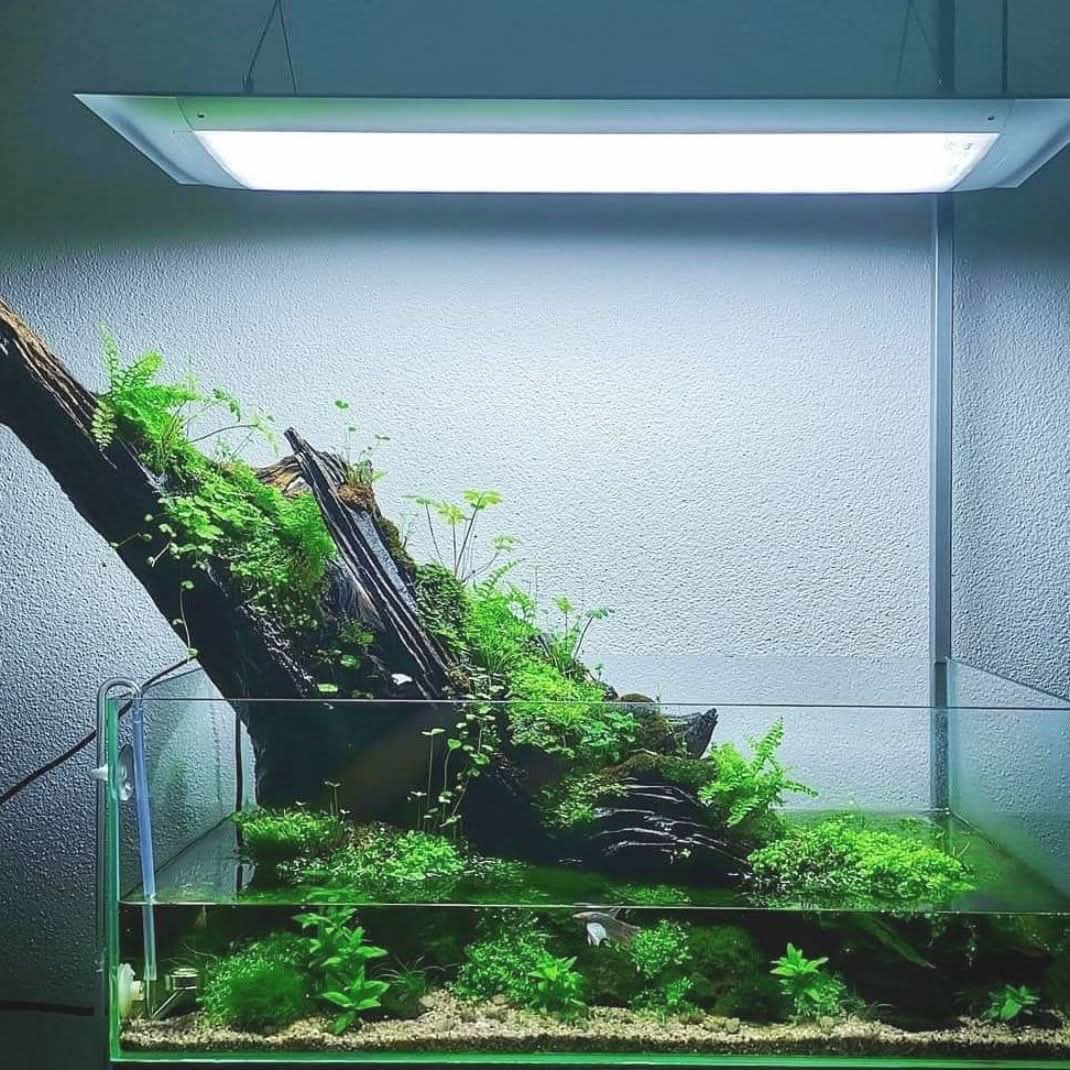
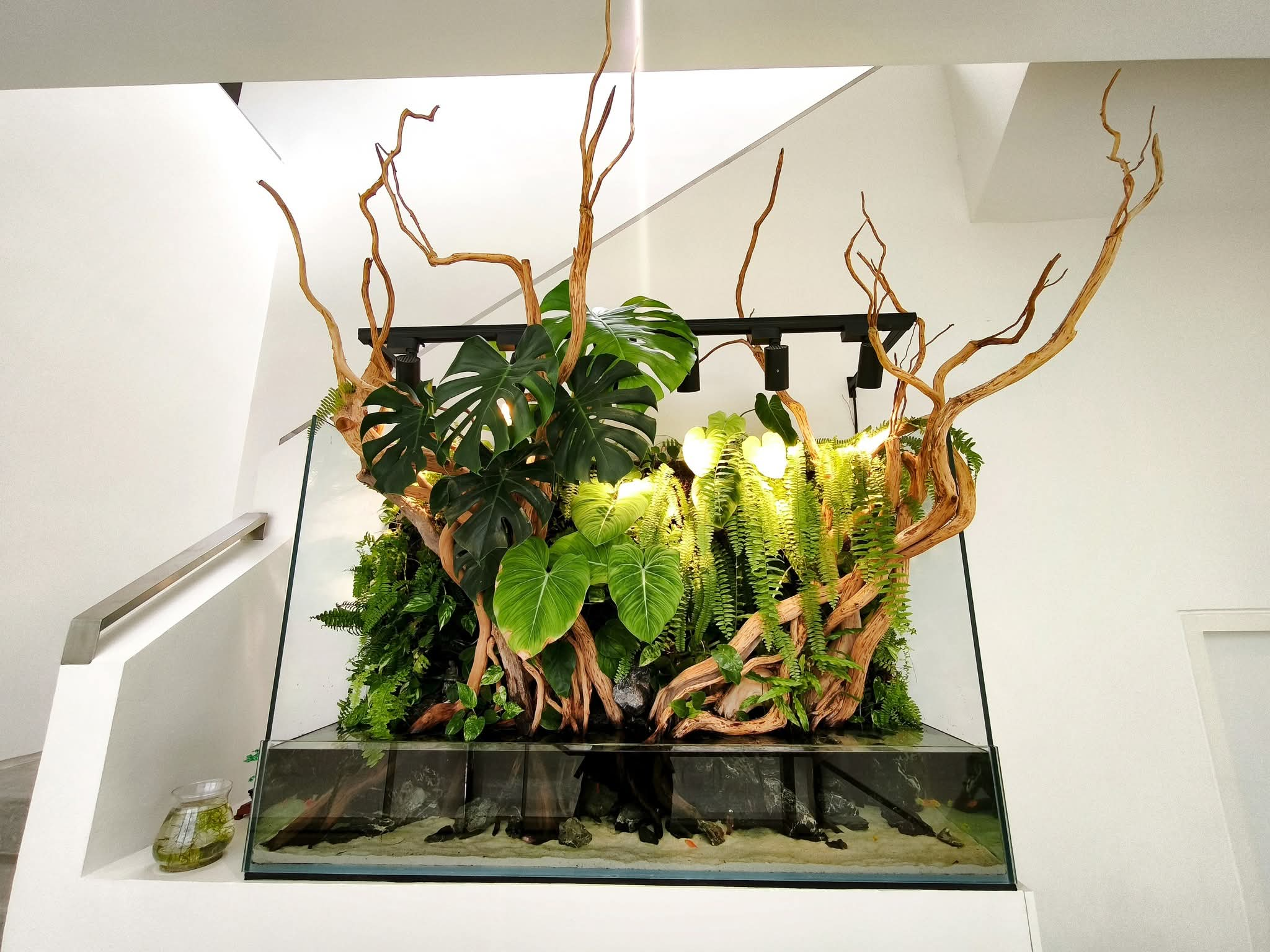
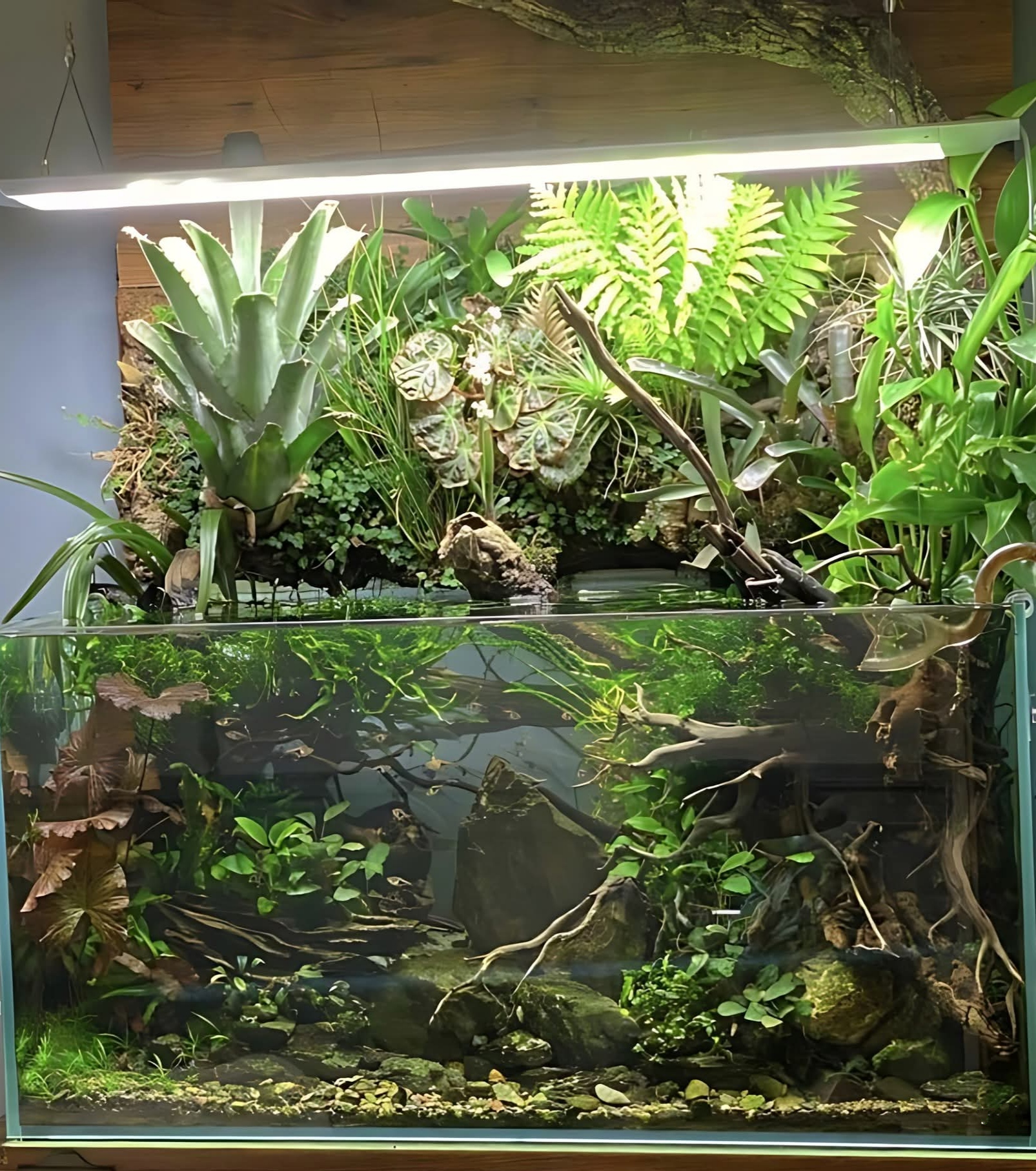
Hybrid ecosystems are routinely described as combinations of land and water arranged within a single enclosure. This description is technically accurate and ecologically misleading. What such systems actually represent is the forced compression of two incompatible physical regimes into a volume too small to dissipate their boundary tensions. Aquatic environments operate under submerged oxygen diffusion, hydrodynamic mixing, and dissolved nutrient transport, while terrestrial environments operate under gravity-driven drainage, atmospheric gas exchange, and fungal-dominated decomposition. Where these regimes meet, neither behaves normally. The interface does not inherit the stabilising properties of either system. It becomes a zone of metabolic conflict, diffusion bottlenecks, and microbial competition. It is in this boundary layer that almost all paludariums, ripariums, vivariums, and mixed habitat systems quietly fail.
In natural environments, interface zones are not stable habitats. Riverbanks, floodplains, mangrove forests, estuaries, and riparian corridors persist only because enormous external forces continuously buffer their inherent instability. Seasonal flooding flushes organic matter. Tidal exchange renews oxygen and salinity gradients. Sediment turnover prevents compaction. Microbial communities are reseeded constantly by upstream flow and atmospheric deposition. These systems survive precisely because they are not closed. When such ecotones are compressed into glass, all of those stabilising fluxes disappear. The interface becomes a tension zone that accumulates physical and biological stress without any external mechanism for relief. What looks like a miniature landscape is, in ecological terms, a pressure vessel.
Oxygen Diffusion Mismatch at the Boundary
The first failure mechanism in this pressure vessel is not chemical, and it is not biological. It is physical. Oxygen diffusion at the interface operates under incompatible constraints. Submerged zones rely on dissolved oxygen supplied by surface exchange and water movement, while terrestrial zones rely on gaseous diffusion through pore spaces in aerated substrate. At the boundary between these regimes, neither mechanism functions efficiently. Waterlogged substrates block air diffusion. Fine sediments trap capillary moisture. Biofilms coat pore walls and reduce permeability. Gas exchange becomes erratic rather than continuous. Roots growing through this boundary experience intermittent hypoxia even when the water column appears well oxygenated. Microbes occupying this zone shift toward anaerobic metabolism long before any visible signs of decline appear. The interface becomes a diffusion bottleneck in which oxygen supply falls below metabolic demand, not because oxygen is absent, but because physical transport pathways have collapsed.
Drainage Physics and Substrate Phase Transition
This collapse of transport pathways is intimately tied to drainage physics. Substrates in hybrid systems are not inert materials; they are dynamic porous structures whose permeability changes continuously under biological load. As roots expand, organic debris accumulates, fine particles migrate downward, and microbial biofilms coat substrate grains, the effective pore size of the substrate decreases. Water that once drained freely becomes trapped in micro-cavities. Capillary retention increases. Gravitational drainage slows. Oxygen diffusion into deeper layers declines. At a critical threshold, the substrate undergoes a phase transition from aerated to anoxic. This transition is not gradual in its ecological consequences. Once anaerobic conditions establish, decomposition pathways shift toward sulfur-reducing and methanogenic processes. Hydrogen sulfide accumulates. Root tissues suffocate. Beneficial aerobic microbes are displaced by obligate anaerobes. The physical skeleton of the hybrid system collapses long before any plant visibly wilts.
Delayed Biological Expression of Physical Failure
The biological consequences of this physical collapse are delayed and therefore routinely misattributed. Hybrid systems often appear healthy for months after their drainage architecture has already failed. Leaves remain green. New growth appears. Water remains clear. Animals behave normally. Meanwhile, oxygen deprivation in the interface zone steadily weakens root tissues, suppresses microbial mineralisation, and allows partially decomposed organic matter to accumulate. This creates a slow, invisible rise in metabolic debt. By the time visible symptoms such as leaf yellowing, stem softening, or substrate odour emerge, the underlying physical failure has already passed the point of easy reversal. What appears to be a sudden biological collapse is, in fact, the delayed expression of a long-completed physical one.
Microbial Regime Conflict at the Interface
Microbial regime conflict amplifies this delayed failure. Hybrid systems host three incompatible microbial communities: aquatic bacteria adapted to submerged, low-oxygen, dissolved-nutrient environments; terrestrial bacteria adapted to aerated, high-oxygen, solid-substrate environments; and fungi adapted to decomposing lignin-rich organic matter under fluctuating moisture. These regimes compete for carbon and space at the interface. When oxygen diffusion declines or organic load increases, fungal dominance expands. When waterlogging increases, anaerobic bacteria proliferate. When airflow stagnates, pathogenic microbes gain advantage. Each shift destabilises the others. Nutrient cycling becomes incomplete. Decomposition slows. Toxins accumulate. Root health deteriorates. This microbial reorganisation is not a secondary effect. It is a primary driver of hybrid collapse.
Aerial Stagnation and Humidity Boundary Layers
Above the substrate, a parallel failure process unfolds in the airspace. In enclosed paludariums and vivariums, humidity does not distribute evenly. Warm air rises and condenses against cooler glass surfaces, forming stable condensation layers that suppress convective airflow. Gas exchange slows. Oxygen concentration declines. Carbon dioxide accumulates. Leaf surfaces remain persistently wet. Fungal spores dominate. Stomatal function degrades. Photosynthesis declines. This creates a self-reinforcing stagnation loop in which weakened plants further increase organic decay, microbial respiration, and oxygen consumption. What hobbyists interpret as a ventilation issue is, in reality, a fluid-dynamics failure driven by boundary layer physics. Without continuous convective airflow, hybrid systems become aerial dead zones as surely as they become anaerobic below.
Odour as an Early Failure Signal
Odour is the earliest macroscopic indicator of these coupled failures. When a hybrid system develops a sulfurous or stagnant smell, it is not a cosmetic problem. It is the sensory manifestation of anaerobic metabolism, hydrogen sulfide production, and microbial imbalance at the interface. This odour emerges weeks before visible decline and long before animals are affected. It is an ecological warning signal that the physical and microbial architecture of the system has already collapsed. Treating it as a maintenance issue rather than a systemic failure guarantees relapse.
Habitat Geometry and Interface Misalignment
Hybrid ecosystems fail not only because physical and biological processes destabilise over time, but because their spatial geometry is almost always wrong from the beginning. In natural interface habitats, spatial gradients are extended, not compressed. Moisture transitions occur over metres, not centimetres. Root zones experience gradual changes in oxygen availability rather than abrupt cutoffs. Drainage pathways are laterally dispersed rather than vertically concentrated. Airflow interacts with terrain irregularities that prevent stagnant layers from forming. When these gradients are collapsed into a glass enclosure, incompatible ecological regimes are forced into immediate adjacency. Roots that evolved to tolerate periodic flooding are placed into permanently saturated substrate. Terrestrial plants adapted to well-aerated soils are placed into capillary-locked root zones. Aquatic plants that tolerate low oxygen are forced into aerial humidity layers that suppress transpiration. The failure is not species choice. It is geometric incompatibility.
This geometric misalignment explains why hybrid systems designed around aesthetics rather than habitat structure almost always collapse. A mangrove swamp is not a riverbank. A riparian forest is not a floodplain. A tidal creek is not a rainforest stream. Each interface habitat has a distinct moisture gradient, substrate composition, drainage behaviour, microbial ecology, and airflow exposure. When visual motifs from incompatible habitats are merged into a single enclosure, the resulting system contains multiple failure zones built into its spatial layout. The plants may survive. The animals may survive. The ecosystem does not.
Interface Compression and Ecological Tension
The defining feature of closed hybrid systems is not their biological diversity. It is their extreme interface compression. In nature, boundary zones are diffuse. In enclosures, they are sharp. This sharpness magnifies ecological tension. Small changes in water level, humidity, airflow, or organic load produce disproportionately large biological effects. A slight increase in evaporation raises salinity at the interface. A minor reduction in airflow collapses convective gas exchange. A small increase in organic debris overwhelms microbial processing capacity. These changes would be trivial in open systems. In closed hybrids, they accumulate into systemic stress.
This is why hybrid systems display a unique failure signature. They rarely experience abrupt catastrophic collapse. Instead, they enter a prolonged period of quiet degradation during which physical transport pathways, microbial balance, and root-zone oxygen availability deteriorate in parallel. The system appears stable until it suddenly is not. This delayed failure dynamic is not a coincidence. It is the natural consequence of accumulating tension in a compressed boundary regime.
Organic Load Accumulation and Metabolic Debt
All closed ecosystems accumulate organic matter. Hybrid systems accumulate it faster and decompose it more slowly. Leaves fall into saturated substrates where oxygen diffusion is limited. Root exudates fuel microbial growth in diffusion-starved zones. Animal waste collects at the interface where hydrodynamic transport is weak. Decomposition pathways shift toward incomplete mineralisation. Partially oxidised organic compounds accumulate. Anaerobic microbes proliferate. Toxic metabolites increase. This creates a form of metabolic debt that the system carries invisibly.
Unlike aquariums, where organic accumulation is largely confined to the water column or substrate, hybrid systems distribute organic load across air, land, and water simultaneously. Each zone amplifies the failure of the others. Increased organic decay below the surface increases microbial respiration and oxygen demand. Reduced oxygen availability weakens roots and microbial mineralisation. Weakened plants shed more organic matter. The feedback loop closes. Collapse becomes inevitable not because a single threshold is crossed, but because multiple subsystems degrade together.
Root-Zone Failure as the Central Biological Event
In almost all hybrid collapses, the primary biological event is not leaf decay or animal decline. It is root-zone failure. Roots are the organs through which plants integrate oxygen availability, microbial balance, substrate permeability, and moisture gradients. When oxygen diffusion collapses at the interface, root tissues shift into anaerobic metabolism. Energy production declines. Nutrient uptake becomes erratic. Defensive capacity against pathogens weakens. Opportunistic fungi and bacteria colonise damaged tissues. Root rot begins.
This root-zone failure propagates upward. Leaves yellow because nutrient transport fails. Stems soften because vascular tissues weaken. Transpiration declines because stomatal regulation becomes unstable. Photosynthesis slows because carbon dioxide exchange is impaired. What appears to be a foliage disease is, in fact, a subterranean suffocation event that began weeks or months earlier. Treating leaf symptoms without addressing root-zone physics is futile.
Mold Dominance and the Collapse of Aerial Ecology
Above the substrate, fungal dominance marks the collapse of aerial ecological balance. Mold proliferation is not merely a hygiene issue. It indicates that airflow, humidity distribution, and microbial competition have failed. Fungi outcompete bacteria under low-oxygen, high-humidity, stagnant-air conditions. Once established, fungal networks alter surface chemistry, suppress beneficial microbes, and further reduce gas exchange. Leaves become persistent moisture sinks. Spore loads increase. Plant immunity weakens.
This fungal takeover often coincides with substrate rot below. The two are not independent. They are expressions of the same physical failure manifesting in different ecological compartments. The interface collapses upward and downward simultaneously.
The Illusion of Maintenance Control
Hybrid systems are often managed aggressively in response to early warning signs. Substrates are replaced. Plants are pruned. Water is changed. Ventilation is increased. Lighting is adjusted. These interventions provide temporary relief but rarely restore long-term stability because they do not address the underlying physical architecture of the system. Drainage pathways remain compacted. Interface compression remains unresolved. Oxygen diffusion bottlenecks persist. Microbial regimes remain in conflict.
This creates a cycle of cosmetic recovery followed by deeper collapse. Each rebuild resets the biological clock without correcting the structural error. The system fails again, often faster than before. This is why many hybrid hobbyists experience repeated collapses despite increasing technical sophistication. The failure is not a lack of skill. It is a misunderstanding of interface ecology.
Delayed Collapse and the False Window of Stability
Hybrid ecosystems almost always display a false window of stability. During this period, plants grow vigorously, microbial activity appears balanced, and physical pathways function adequately. This window is deceptive. It coincides with low organic load, minimal substrate compaction, and relatively open drainage pathways. As biological mass increases, physical permeability declines. As organic debris accumulates, microbial demand rises. As roots expand, pore spaces close. The system transitions from a low-load regime to a high-load regime without any visible discontinuity.
Collapse occurs when the system crosses from a diffusion-dominated regime into a transport-limited regime. At that point, oxygen supply cannot meet metabolic demand, and the ecological balance inverts. The transition is abrupt in its consequences even though it was slow in its approach. This is why hybrid systems seem to fail suddenly after months of apparent success.
Hybrid Stability as a Physical–Ecological Emergent Property
Stability in hybrid ecosystems does not emerge from equipment. It does not emerge from maintenance schedules. It does not emerge from plant choice. It emerges from physical–ecological coherence. Drainage pathways must remain open. Oxygen diffusion must remain continuous. Airflow must remain convective rather than stagnant. Organic load must remain metabolically tractable. Microbial regimes must remain partitioned rather than forced into conflict. Habitat geometry must respect natural gradients rather than compress them.
When these conditions are met, hybrid systems become remarkably resilient. When they are violated, collapse is not a possibility. It is an inevitability.
Relationship to Aquatic System Failures
The failure mechanics described here are not unique to hybrid ecosystems. They are governed by the same invisible biological thresholds that destabilise freshwater, marine, reef, and brackish systems. Oxygen deprivation, microbial imbalance, organic accumulation, and delayed collapse dynamics operate across all closed ecosystems. Hybrid systems simply concentrate these failure mechanisms at a single compressed interface, making them more visible and more severe.
These universal failure dynamics are explored in greater depth in the ecological references:
Why Aquariums Fail
Marine Aquarium Ecology & Stability
Reef Aquarium Ecology & Collapse
Brackish Aquarium Ecology & Stability
Final Synthesis
Hybrid ecosystems are not decorative landscapes. They are biological interfaces compressed into glass. They do not fail because water meets land. They fail because the physical ecology of the boundary zone is violated. Drainage pathways collapse. Oxygen diffusion bottlenecks form. Microbial regimes destabilise. Root zones suffocate. Fungal dominance expands. Organic debt accumulates. Collapse becomes inevitable.
They stabilise when interface physics is respected.
They collapse when it is ignored.
“Hybrid systems do not fail because water meets land.
They fail because interface physics is treated as scenery instead of structure.” : Sunny Banerjee