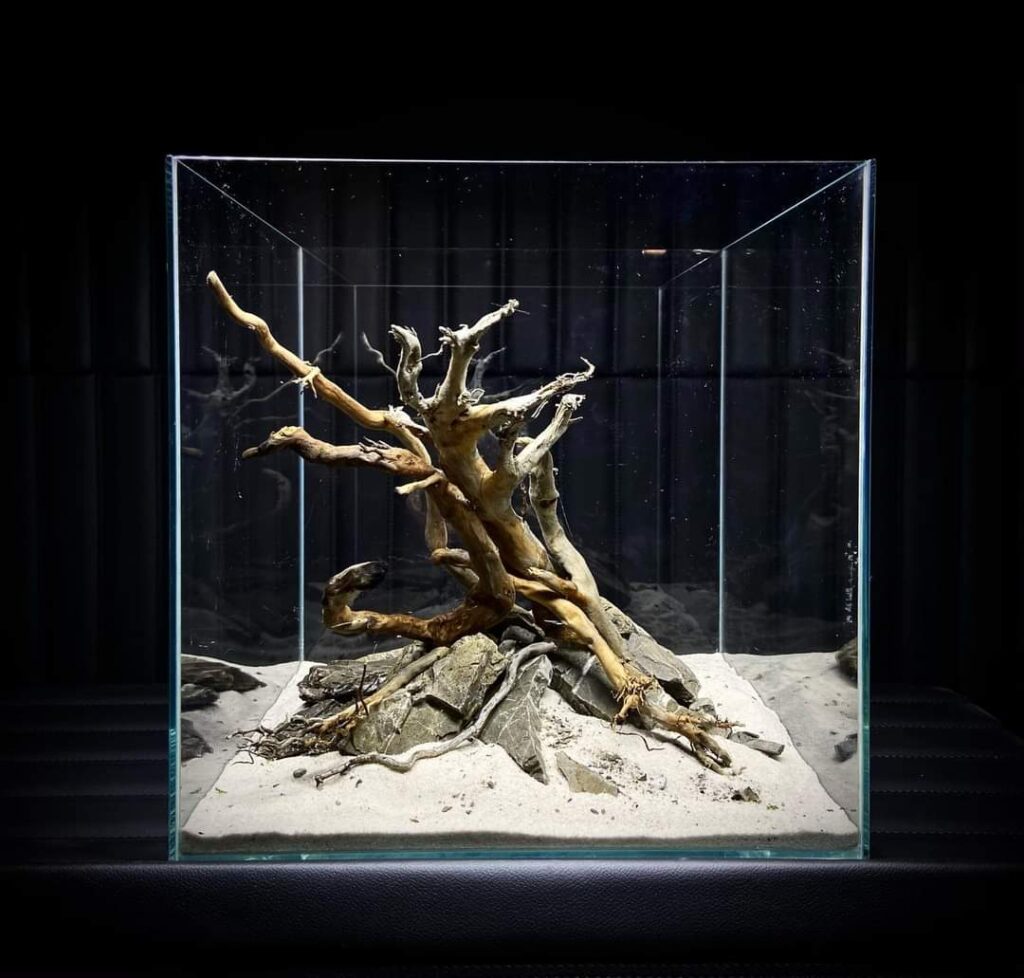
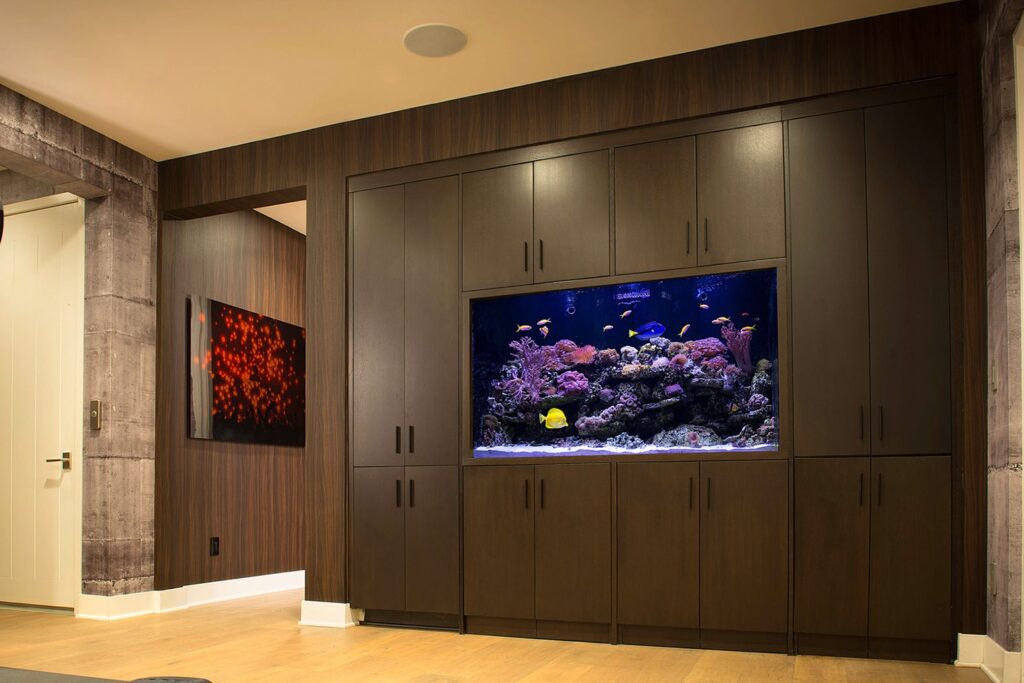
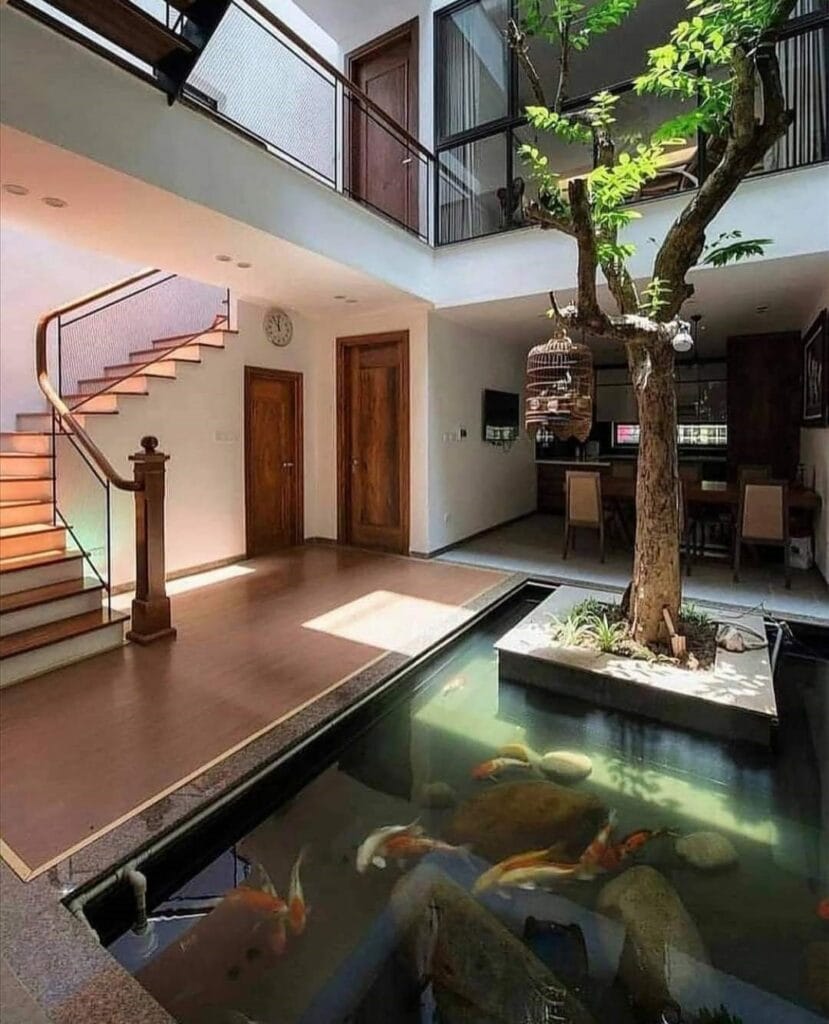
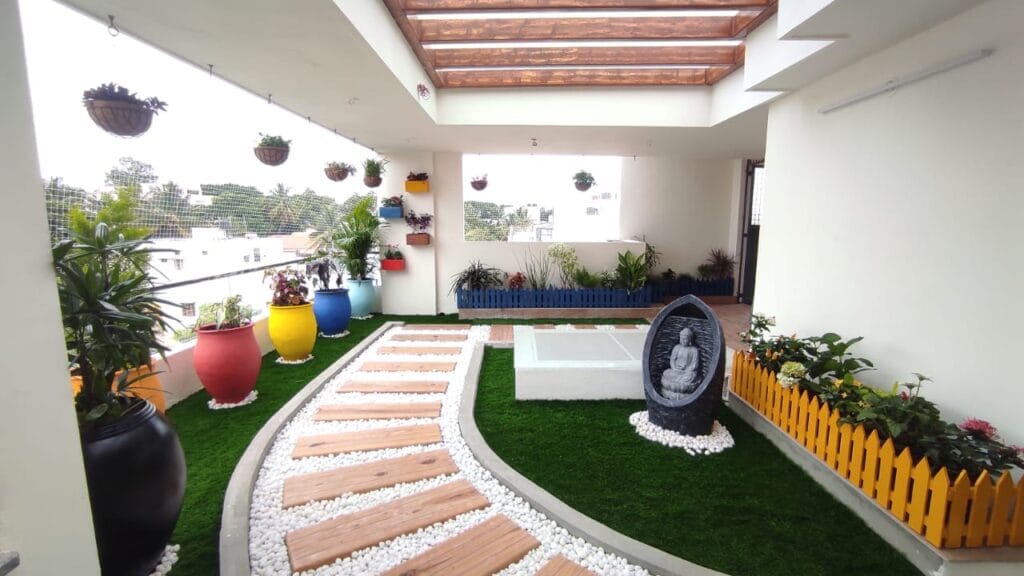
ProHobby™ designs custom habitats in Delhi NCR, creating integrated living ecosystems that combine water, land, plants, and controlled environments. From reptile enclosures and turtle pond setups to aquarium feature walls, indoor water features, balcony ecosystems, and vertical garden installations, each system is engineered for long-term stability, ecological balance, and seamless integration into living and built spaces.
What is a Custom Habitat?
A custom habitat is a designed living environment that recreates natural conditions through the integration of water, land, plant systems, and controlled environmental parameters.
At ProHobby™, habitats are not assembled—they are engineered ecosystems.
Each system is designed for stability, longevity, and ecological balance, ensuring it performs as a living system over time.
ProHobby™ designs custom habitats in India that integrate seamlessly into living and built environments.
From reptile habitat systems and aquatic ecosystems to aquarium feature walls, indoor water installations, balcony ecosystems, and vertical green systems, every project is approached as a complete ecological system—not a standalone installation.
We work across Delhi, Gurgaon, Noida, Faridabad, Ghaziabad and the greater NCR area, delivering habitats that are structurally integrated, technically sound, and built for long-term performance.
Habitat Systems We Design
Our work spans across interconnected ecosystem categories:
– aquariums
– turtle ponds
– water ecosystems
– reptile enclosures
– small animal habitats
– naturalistic habitats
– amphibian and water-land environments
– aquarium feature walls
– vertical gardens
– indoor water features
05
Specialized & Experimental ecosystems
– micro systems
– nano habitats
– biotopes
06
Functional & Productive Ecosystems
– edible gardens
– hydroponic systems
– balcony kitchen gardens
– utility-driven green environments
Each habitat is designed based on space, function, and environmental requirements, not templates.
⚖️ Responsible and Legally-Compliant Habitat Design in India
At ProHobby™, every habitat is designed with a clear understanding of India’s regulatory framework and ecological responsibility.
We operate with a strict no-compromise approach toward legality, ethical sourcing, and long-term sustainability.
Our approach includes:
👉 Designing habitats only for legally permissible species
👉 Avoiding all protected or regulated native wildlife
👉 No involvement in unverified or illegal animal sourcing
👉 Aligning habitat design with species-appropriate environmental needs
Where applicable, we guide clients toward responsible ownership practices and compliance awareness, ensuring that every ecosystem is not just well-designed—but also safe, ethical, and future-proof.
The result is a habitat that is legally sound, environmentally stable, and built for long-term success.
🦎 Reptile Habitat Systems & Custom Enclosures
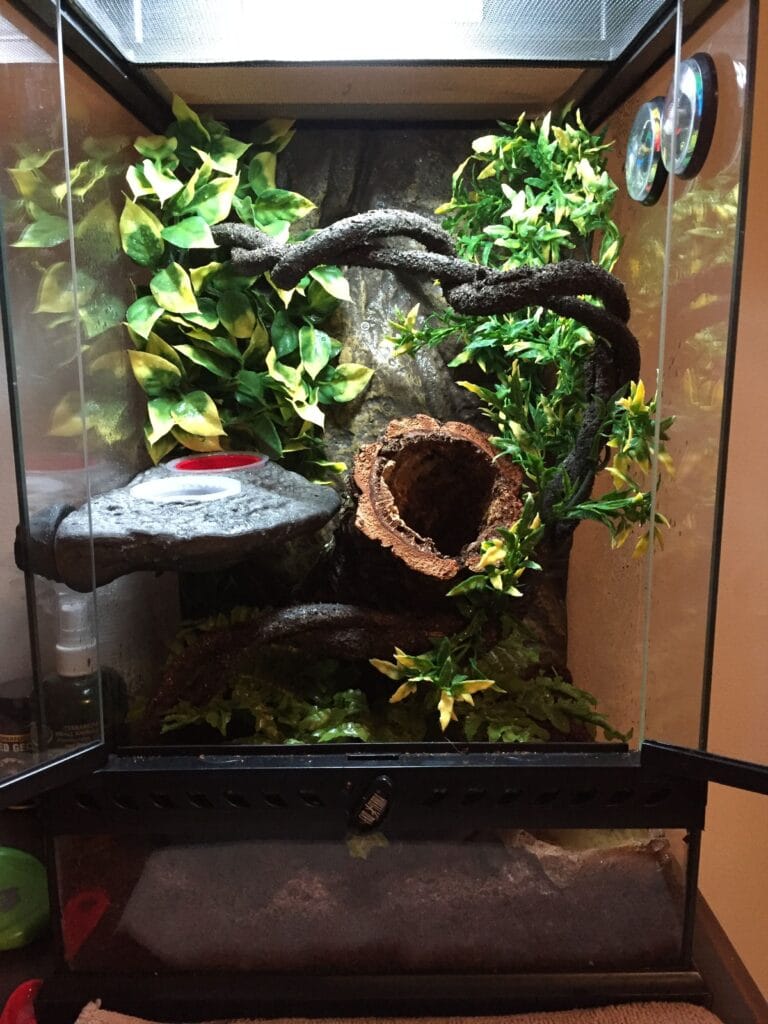
We design custom reptile enclosure systems in India that function as controlled terrestrial ecosystems, aligned with natural behavior and environmental requirements.
Systems We Design:
Iguana enclosures (vertical habitat systems)
Snake enclosures with controlled environments
Gecko and small reptile habitat systems
Bioactive reptile enclosures (soil + microfauna ecosystems)
Naturalistic planted reptile habitats
Engineered For:
Heat, UV, and humidity zoning
Ventilation and airflow management
Environmental stability and behavioral enrichment
Structural integration within interiors
Suitable For:
- Indoor reptile habitats
- Built-in enclosure systems
- Naturalistic display environments
These systems move beyond cages—creating functional ecosystems that support long-term reptile health and stability.
⚖️ Reptile habitats are designed in line with legal guidelines, with a focus on responsible ownership and species-appropriate environmental conditions.
🐢 Aquatic & Semi-Aquatic Habitat Systems
We design aquatic and semi-aquatic habitat systems that function as balanced water ecosystems with integrated land zones, designed for long-term water stability, system performance and minimal maintenance.
Systems We Design:
Turtle pond setups (indoor and outdoor systems)
Indoor turtle pools with filtration systems
Semi-aquatic reptile habitats (water + basking zones)
Water-land hybrid ecosystems
Aquatic habitat systems with natural filtration
Engineered For:
Water clarity and biological stability
Filtration and circulation systems
Basking and environmental zoning
Odor control through ecosystem balance
Suitable For:
- Indoor installations
- Garden and outdoor environments
- Hybrid aquatic-terrestrial systems
These systems maintain clean, stable water conditions with minimal intervention, avoiding common issues like odor and stagnation.
⚖️ Turtle habitats are designed for legally permissible species, with careful consideration of regulatory guidelines and and responsible habitat practices.
🐸 Amphibian & Humidity-Controlled Ecosystems
We design humidity-controlled amphibian ecosystems that maintain precise environmental conditions for sensitive species.
Systems We Design:
Frog habitat systems with automated misting
Semi-aquatic amphibian ecosystems
Humidity-controlled planted environments
Water-land amphibian habitats
Engineered For:
Controlled humidity and moisture cycles
Temperature stability
Water and land balance
Plant-supported ecosystem stability
Suitable For:
- Sensitive amphibian species
- Semi-aquatic environments
- Controlled indoor ecosystems
These systems provide precision-controlled environments, ensuring long-term environmental consistency.
⚖️ Amphibian ecosystems are designed with attention to environmental requirements, species suitability, and applicable regulatory considerations.
🌿 Small Animal & Micro-Habitat Systems
We design small animal habitat systems and micro-ecosystems that combine functionality with naturalistic design.
Systems We Design:
Hamster and small mammal habitat systems
Naturalistic small animal enclosures
Compact indoor ecosystem setups
Bioactive micro-habitats
Engineered For:
Enrichment-based habitat design
Space-efficient layouts
Natural behavior support
Low-maintenance ecosystem balance
Suitable For:
- Compact indoor environments
- Beginner-friendly ecosystem setups
- Aesthetic natural enclosures
These systems create balanced, visually refined habitats that remain easy to manage over time.
🧩 Aquarium Feature Walls, Built-In Aquariums & Partition Systems
We design aquarium feature walls and built-in aquarium systems in Delhi NCR that are integrated directly into walls, partitions, and architectural elements.
These are not standalone aquariums—they are permanent, structural installations.
Systems We Design:
Aquarium feature walls for living rooms and offices
Built-in aquariums integrated into walls
Aquarium partition walls for spatial zoning
Large-format aquascape installations
Custom display aquariums for interiors
Engineered For:
Structural integration with walls and furniture
Filtration access and maintenance planning
Lighting design for visual impact
Long-term system stability
Suitable For:
- Residential interiors
- Offices and commercial spaces
- Retail and hospitality environments
These systems combine design, engineering, and aquascaping expertise, creating installations that function reliably over time.
💧 Indoor Water Feature Systems & Water Feature Walls
We design indoor water feature systems in Delhi NCR that integrate seamlessly into interiors and built environments.
Systems include:
Water feature walls and indoor water walls
Indoor fountains (wall-mounted and freestanding)
Built-in water features integrated into interiors
Compact indoor water features for apartments
Natural-style water installations
Engineered For:
Controlled water flow and circulation
Silent operation and acoustic management
Plumbing and drainage integration
Easy maintenance access
Suitable For:
- Living rooms and entrance areas
- Courtyards
- Offices and reception spaces
- Retail and hospitality environments
Properly designed water features maintain clarity, flow, and low maintenance, avoiding common issues like stagnation or noise.
🌿 Balcony Ecosystems & Urban Habitat Systems
We design balcony ecosystems in Delhi NCR, transforming compact urban spaces into functional natural environments.
Systems We Design:
Balcony garden ecosystems (lush, layered planting)
Balcony pond systems and mini water features
Integrated plant + water ecosystem layouts
Shade and sun optimized planting systems
Low-maintenance balcony ecosystems
Engineered For:
Space optimization for small areas
Climate-appropriate plant selection (Delhi NCR conditions)
Water management and drainage
Low maintenance and long-term sustainability
Suitable For:
- Apartments and urban homes
- Compact balconies and terraces
- Nature-integrated living spaces
These systems bring functional ecosystems into urban environments, not just decorative plant setups.
🧱 Vertical Gardens & Green Walls
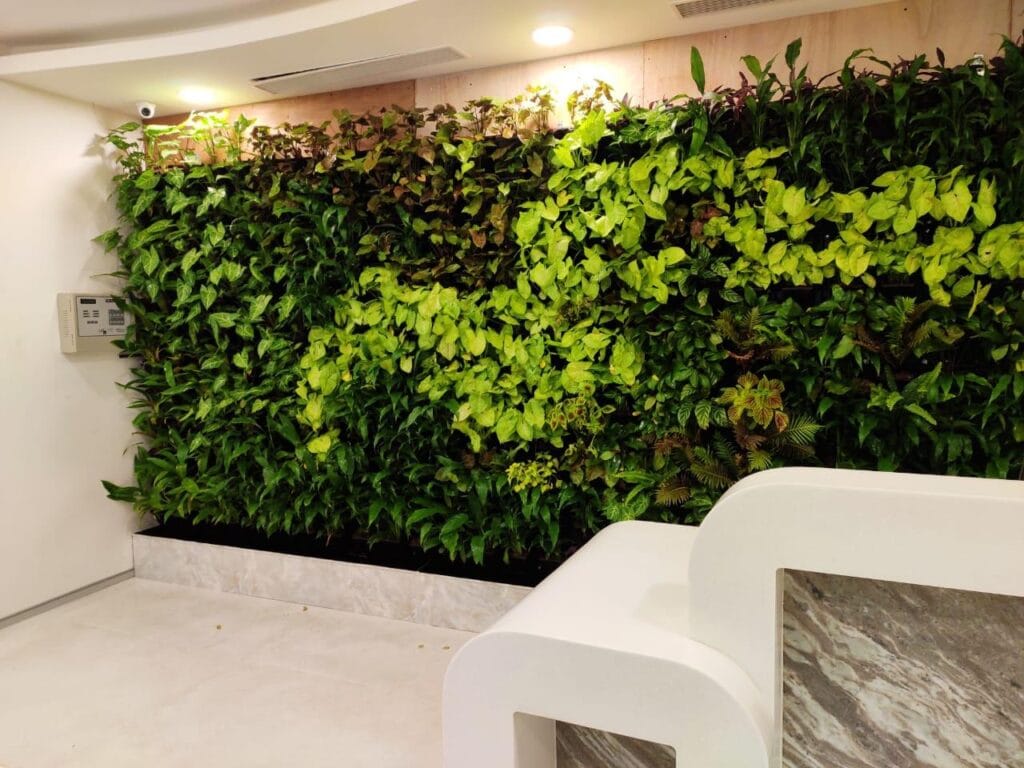
We design and install vertical garden wall systems in Delhi NCR for interior and exterior environments. Vertical systems introduce living green layers into built environments.
Systems We Design:
Living wall installations (soil-based systems)
Hydroponic vertical garden systems
Moss walls (low-maintenance installations)
Large-format green wall systems
Balcony vertical garden setups
Engineered For:
Irrigation and drainage integration
Long-term plant health
Structural wall compatibility
Low maintenance operation
Suitable For:
- Homes and residential interiors
- Offices and commercial spaces
- Retail and hospitality environments
Vertical ecosystems maximize green coverage without occupying floor space, making them ideal for urban environments.
🏡 Garden Ponds & Outdoor Natural Ecosystems
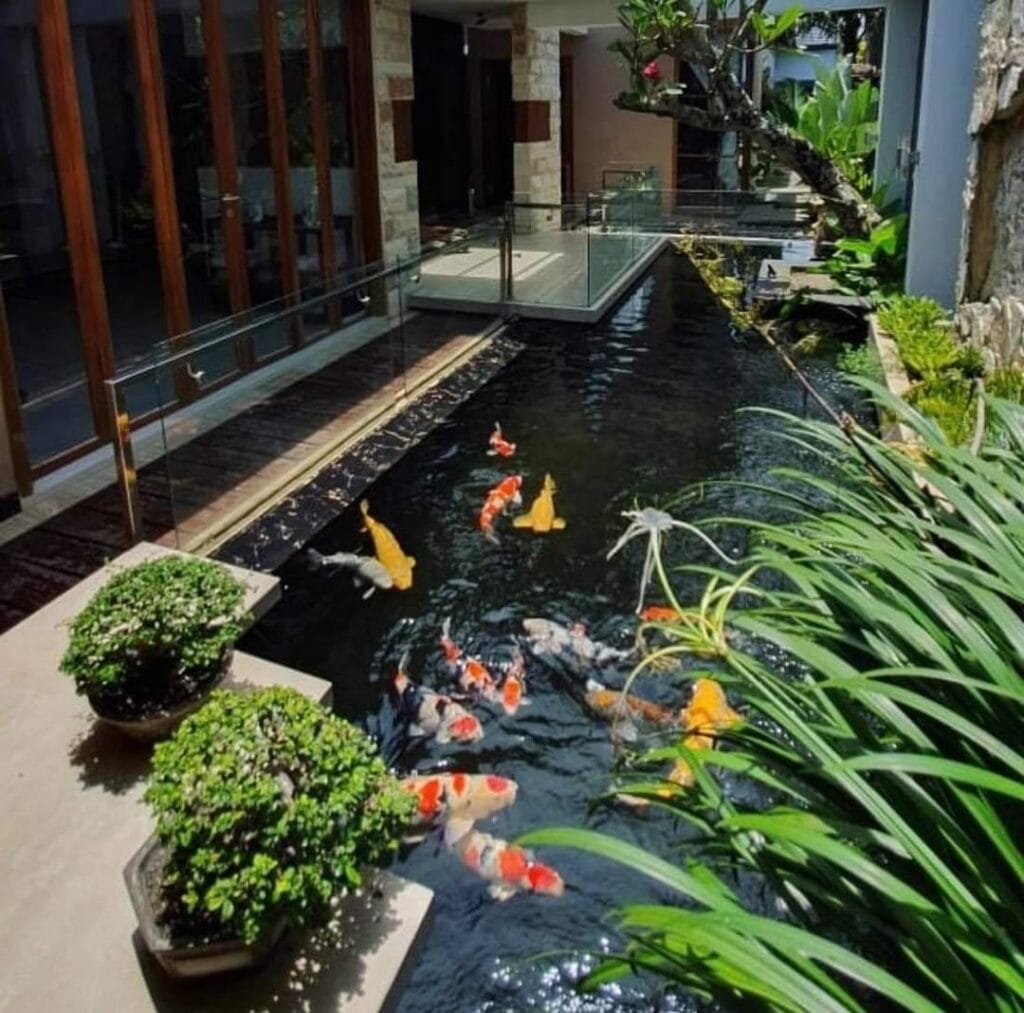
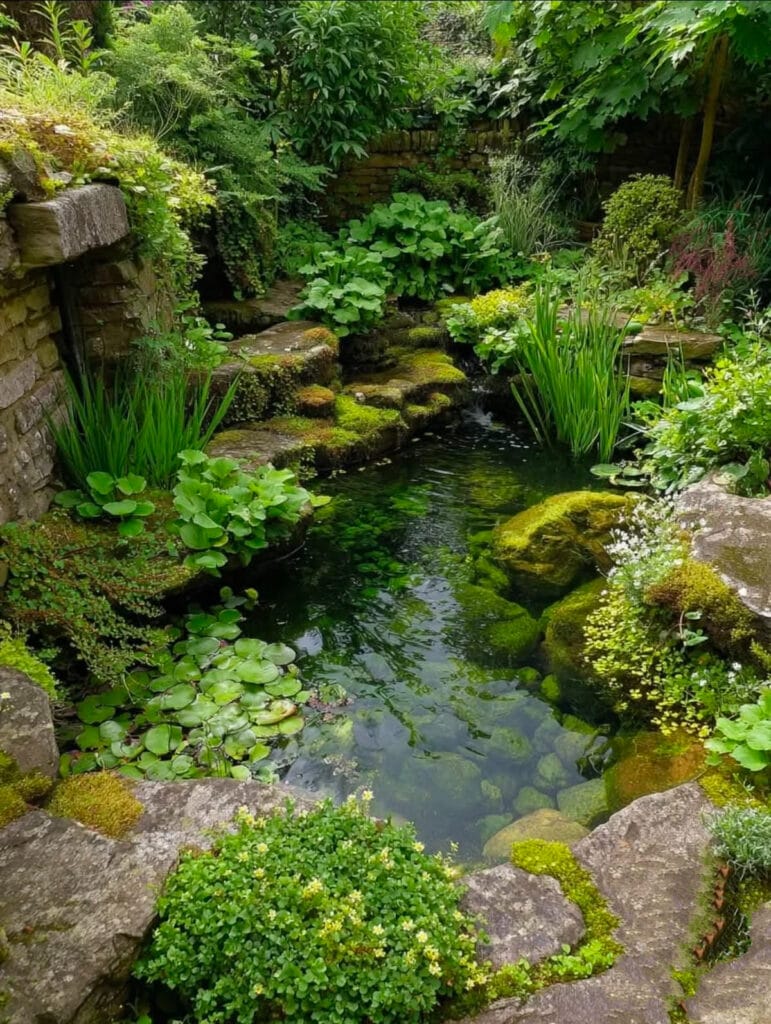
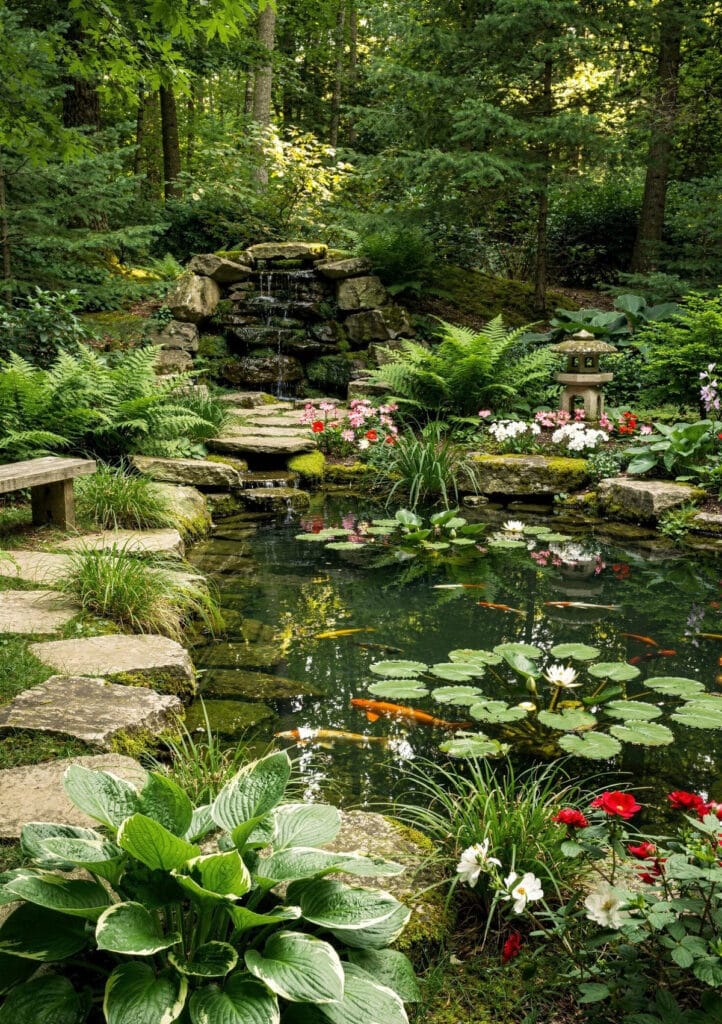
We design outdoor garden ponds and natural ecosystem systems in India that function as balanced, self-sustaining water environments.
These systems extend ecological design beyond interiors—creating living outdoor water ecosystems that integrate with landscape and architecture.
Systems We Design:
Garden pond construction (natural and structured designs)
Koi ponds with filtration systems
Water gardens with aquatic plants and fish
Natural filtration ponds (plant-based ecosystem filtration)
Wildlife-supporting ponds (pollinator-friendly environments)
Natural swimming ponds (chemical-free water systems)
Engineered For:
Water clarity and biological balance
Seasonal stability in outdoor conditions
Natural filtration using plants and substrate
Low maintenance and long-term sustainability
Seamless integration with landscape design
Suitable For:
- Residential gardens and villas
- Farmhouses and outdoor landscapes
- Terrace and courtyard water features
- Landscape-integrated ecosystem installations
Unlike decorative ponds, these systems are engineered as functional ecosystems, where water quality is maintained through biological processes rather than constant intervention.
We design hybrid ecosystem systems that integrate water, land, and plant environments into a single cohesive installation.
These systems go beyond conventional setups—combining multiple ecological layers into architectural, living environments.
Systems We Design:
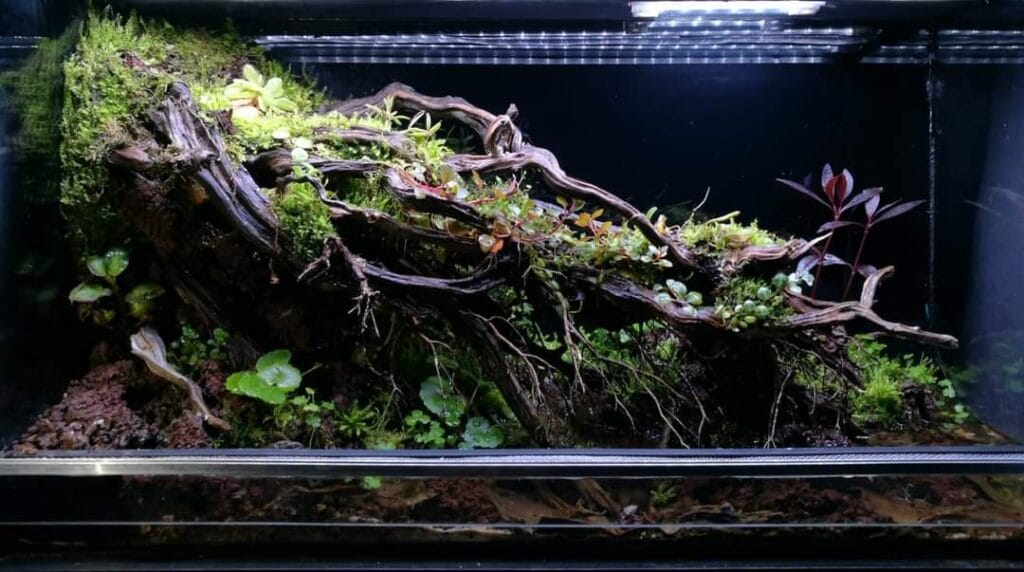
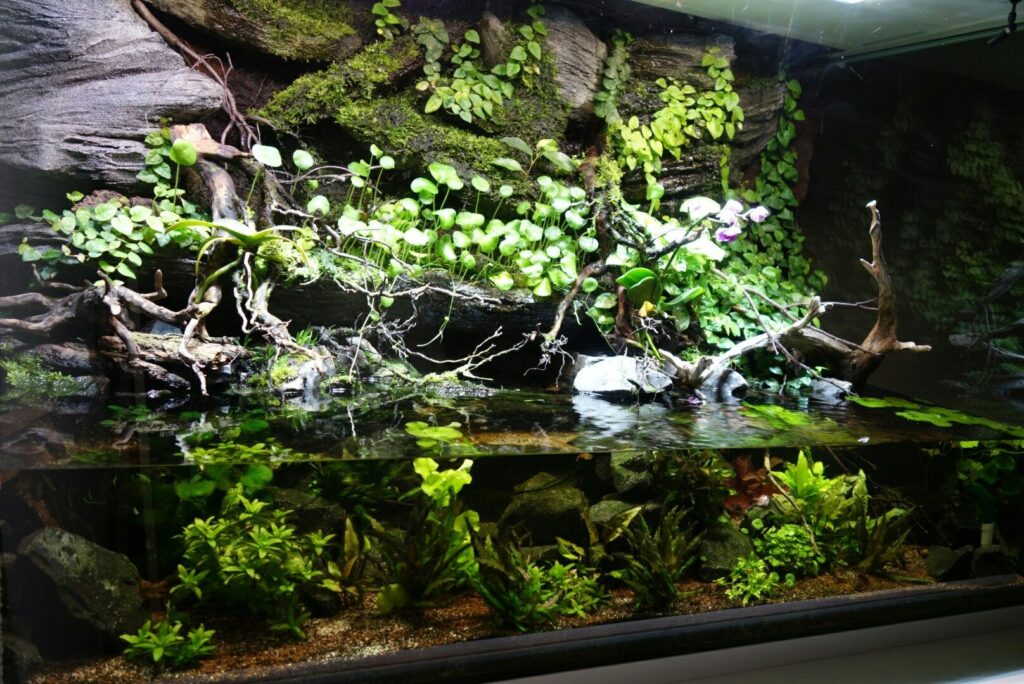
Paludarium-style installations (water-land ecosystems)
Aquarium + vertical garden feature walls
Water + plant integrated indoor ecosystems
Hybrid habitat systems combining aquatic and terrestrial zones
Biophilic feature installations with multiple ecosystem layers
Engineered For:
Seamless integration across water and land systems
Controlled humidity, circulation, and environmental balance
Structural integration within walls and interiors
Long-term ecosystem stability with minimal intervention
Suitable For:
- Living room feature installations
- Premium residential interiors
- Offices, studios, and commercial spaces
- Statement ecosystem walls and focal zones
Why Hybrid Systems Matter: Hybrid ecosystems represent the most advanced form of habitat design—bringing together multiple environmental systems into a single, self-regulating ecosystem. These systems represent the highest level of integration and design complexity.
🌍 Extended & Specialized Ecosystem Systems
We design specialized ecosystem systems in India that go beyond conventional habitats—focusing on compact, experimental, and function-driven environments.
Systems We Design:
Micro ecosystems and closed system habitats (self-sustaining environments)
Nano ecosystems and desktop habitat systems
Invertebrate habitat systems (isopods, shrimp, microfauna ecosystems)
Edible and functional green systems (kitchen gardens, herb walls, hydroponics)
Biotope and experimental ecosystems (region-specific natural recreations)
Engineered For:
Compact and space-efficient environments
Low-maintenance and self-sustaining systems
Educational and experimental applications
Functional use (edible systems, micro ecosystems)
Suitable For:
- Homes and apartments
- Offices and desk environments
- Educational setups and hobby ecosystems
- Functional indoor green systems
These systems allow for high-impact ecosystem design in minimal space, while also enabling experimentation, learning, and functional use cases.
🔧 Common Habitat Failures and Why They Occur
Most habitat systems fail not because of aesthetics—but due to poor system design, incorrect environmental assumptions, and lack of ecological balance.
At ProHobby™, these failures are addressed through system-level planning and ecosystem design thinking, rather than surface-level fixes.
01
Water Odor, Cloudiness & Unstable Systems
> Imbalance between biological load and system capacity
> Inadequate circulation and oxygenation
> Lack of ecosystem components that support stability
👉 These issues typically indicate system imbalance rather than isolated faults
02
Reptile Habitat Instability (Heat, Humidity & Stress)
> Inconsistent environmental zoning
> Mismatch between enclosure design and species behavior
> Poor airflow and environmental regulation
👉 These systems fail when environmental control is not designed holistically
03
Balcony & Vertical Ecosystem Failures
> Plant selection not aligned with Delhi NCR climate
> Improper water management
> Overly complex or high-maintenance layouts
👉 Failures often stem from design decisions, not plant quality
04
Indoor Water Feature Issues (Noise, Leakage, Maintenance)
> Poor system integration with plumbing and structure
> Incorrect flow dynamics
> Lack of long-term access planning
👉 These are typically engineering and integration failures
05
High-Maintenance, Unstable Systems
> Overdesign without ecological balance
> Aesthetic-first planning
> Lack of long-term system thinking
👉 Complexity without balance leads to system instability over time
🧠 What Defines a Successful Habitat?
A successful habitat is not defined by how it looks on day one—but by how it performs over time.
At ProHobby™, success is measured through stability, balance, and longevity.
Ecological Balance
A successful habitat maintains biological equilibrium between water, plants, substrate, and organisms.
– Stable nutrient cycles
– Balanced biological load
– Natural filtration processes
👉 This reduces dependency on constant intervention.
Environmental Stability
The system maintains consistent:
– Temperature
– Humidity
– Water parameters
– Light conditions
👉 Stability ensures long-term health and predictability.
Species-Appropriate Design
Each habitat is aligned with:
– Natural behavior patterns
– Movement and spatial needs
– Environmental requirements
👉 This reduces stress and improves system longevity.
Low Maintenance by Design
A well-designed system:
– Requires minimal manual intervention
– Uses natural processes for stability
– Has built-in maintenance access
👉 Maintenance is reduced—not eliminated, but optimized.
Integration with Space
A successful habitat feels like:
– A natural part of the environment
– Structurally and visually integrated
– Aligned with spatial design
👉 Not an add-on—but a built-in ecosystem element
Long-Term System Evolution
The best habitats:
– Improve over time
– Stabilize naturally
– Require fewer corrections
👉 A true ecosystem evolves—it doesn’t degrade.
A successful habitat is not something you “maintain constantly.” It is something that becomes increasingly stable with time.
📍 Service Areas
ProHobby™ operates across Delhi NCR, with active projects in:
Delhi • Gurgaon • Noida • Faridabad • Ghaziabad
Based in Delhi NCR, we execute projects and systems consultations all across India.
Frequently Asked Questions