
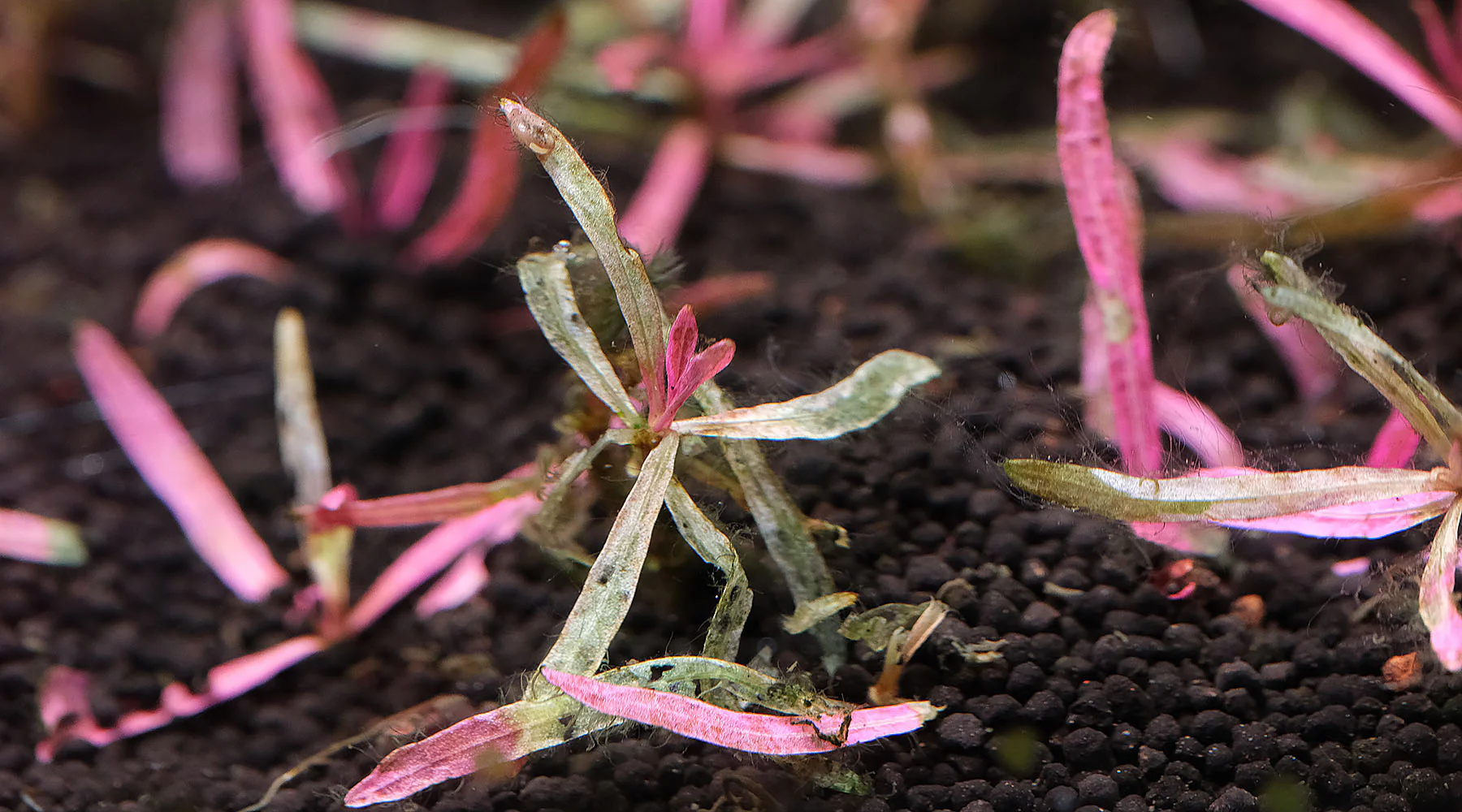
Aquarium plants melt when they cannot adapt to the conditions inside a new aquarium. The most common causes include the transition from emersed to submerged growth, nutrient imbalance, unstable CO₂ levels, unsuitable water chemistry and immature aquarium ecosystems. In many cases plant melt is temporary, but persistent melting usually indicates environmental instability within the aquarium.
By ProHobby™ | Delhi NCR’s Ecological Systems Authority
Introduction: When Aquarium Plants Suddenly Disappear
One of the most confusing moments for new aquarists occurs a few days after planting a new aquarium. Healthy-looking plants that appeared vibrant in the store begin to deteriorate. Leaves become translucent, turn yellow or brown, and gradually dissolve into the water.
This phenomenon is commonly called plant melt, and it leads many aquarists to believe that the plants are dying.
In reality, plant melting is not always a sign of failure. In many cases it represents a natural biological transition, particularly when plants grown above water are suddenly submerged in an aquarium. However, plant melt can also signal deeper environmental problems such as nutrient imbalance, unstable carbon availability, unsuitable water chemistry or immature ecosystem conditions.
Understanding why plants melt requires looking at the aquarium not simply as a container for plants but as a living ecosystem where light, nutrients, microbial activity and water chemistry interact continuously.
Quick Summary: The 5 Most Common Reasons Aquarium Plants Melt
Aquarium plant melting is often misunderstood. While it can look like plants are dying, it usually indicates that the plant or the aquarium ecosystem is adjusting to new conditions. In most cases, plant melt occurs for one or more of the following reasons:
1. Transition from Emersed to Submerged Growth
Many aquarium plants are grown above water in nurseries. When they are placed in an aquarium, the leaves that formed in air cannot function underwater and begin to melt as the plant produces new submerged leaves.
2. Nutrient Imbalance
Plants require a balanced supply of nutrients such as nitrogen, phosphorus, potassium and micronutrients. Deficiencies or excess nutrients can stress plants and cause leaves to deteriorate.
3. Unstable or Insufficient CO₂
Carbon dioxide is essential for plant photosynthesis. Low or fluctuating CO₂ levels often weaken plant growth, making leaves more prone to melting.
4. Hard or Unbalanced Water Chemistry
In regions with hard water, such as many parts of Delhi NCR, high mineral content can interfere with nutrient uptake. This may lead to nutrient lockout and plant decline.
5. Immature Aquarium Ecosystem
New aquariums often lack stable microbial communities. Until the ecosystem matures, nutrient cycles and biological processes can fluctuate, causing temporary plant stress.
In many cases, plant melt resolves naturally once the aquarium stabilises and plants adapt to submerged conditions.
When Plant Melt Is Normal vs When It Signals a Problem
Not all plant melting indicates that something is wrong with the aquarium. In many cases it is simply part of the plant’s adjustment to submerged life. However, persistent plant decline may indicate deeper ecosystem instability.
Normal Plant Melt
Plant melt is usually temporary when:
- newly purchased plants were grown emersed
- new submerged leaves begin appearing within a few weeks
- roots remain healthy and white
- melting stops as new growth develops
Problematic Plant Melt
Plant melt may indicate an ecosystem issue when:
- plants continue melting without producing new leaves
- algae outbreaks increase as plants decline
- plant stems rot from the base
- multiple plant species deteriorate simultaneously
In these cases the cause is often related to nutrient imbalance, unstable carbon availability or unsuitable water chemistry.
Understanding these differences helps aquarists respond appropriately without overcorrecting stable aquariums.
Emersed vs Submerged Growth: The Most Common Cause of Plant Melt
Most aquarium plants sold in stores are grown emersed, meaning they are cultivated above water in humid greenhouses. This method allows growers to produce plants faster and reduces the risk of algae growth during cultivation.
However, emersed leaves are structurally different from submerged leaves.
Leaves grown in air are designed to:
- regulate water loss
- exchange gases through stomata
- support stronger structural tissues
When the plant is placed underwater, these leaves cannot function effectively. As a result, the plant begins replacing them with new leaves adapted to submerged conditions.
During this transition, the old emersed leaves deteriorate and appear to melt.
This process is completely natural. The plant’s root system remains alive and begins producing new submerged leaves within a few weeks.
In stable aquariums, this transition occurs smoothly. However, when other environmental factors are unfavourable, the plant may struggle to recover.
Nutrient Imbalance and Plant Stress
Aquatic plants depend on a range of nutrients to maintain healthy growth. These include macronutrients such as nitrogen, phosphorus and potassium, as well as micronutrients like iron, manganese and trace minerals.
In balanced ecosystems, these nutrients circulate through biological processes involving fish waste, microbial decomposition and plant uptake. However, in newly established aquariums or poorly balanced systems, nutrient availability can fluctuate significantly.
When essential nutrients are unavailable, plants may begin to deteriorate even if lighting and planting conditions appear suitable. Leaves may yellow, become transparent or develop holes before eventually breaking down.
Excess nutrients can also create problems. When nutrients accumulate faster than plants can utilise them, algae may outcompete plants for resources. This imbalance weakens plant growth and often accelerates melting.
A deeper explanation of these processes is explored in the ProHobby™ guide Advanced Nutrient Dynamics & Carbon Chemistry in Planted Aquariums, which explains how nutrient cycles influence plant health and algae growth.
Maintaining balanced nutrient availability is therefore essential for preventing chronic plant melt.
Carbon Availability and CO₂ Stability
Carbon is the fundamental building block of plant growth. In aquatic environments, plants obtain carbon primarily in the form of dissolved carbon dioxide (CO₂).
In aquariums without CO₂ injection, carbon availability depends on natural diffusion from the atmosphere and biological respiration within the ecosystem. While this can support many plant species, carbon levels may fluctuate significantly, particularly in heavily planted tanks with strong lighting.
When plants receive insufficient carbon, photosynthesis slows and plant tissues weaken. Leaves may gradually deteriorate as the plant struggles to maintain metabolic activity.
Even in aquariums equipped with CO₂ injection systems, instability can cause problems. Sudden fluctuations in carbon concentration may stress plants and disrupt nutrient uptake.
This relationship between carbon availability and plant growth is explained in greater detail in the ProHobby™ article Aquarium CO₂: Do You Really Need It for a Planted Tank?
Consistent carbon availability is often one of the most important factors in maintaining healthy planted aquariums.
Hard Water Chemistry and Nutrient Lockout
Water chemistry plays a crucial role in plant health, particularly in regions where tap water contains high levels of dissolved minerals.
In areas such as Delhi NCR, aquarium water often contains elevated levels of calcium carbonate, which increases both hardness and alkalinity. While many fish species tolerate these conditions well, certain aquatic plants may struggle to absorb nutrients effectively.
High carbonate hardness can interfere with the availability of micronutrients such as iron and manganese. Even when these nutrients are present in the water, plants may be unable to absorb them due to chemical interactions within the water column.
This phenomenon is known as nutrient lockout.
As a result, plants may exhibit symptoms resembling nutrient deficiency even when fertilisers are added regularly. Leaves may pale, growth may slow and melting may occur.
The broader role of water chemistry in aquarium ecosystems is explored in the ProHobby™ article Complete Water Chemistry Guide for Freshwater, Brackish & Marine Aquariums, which explains how pH, hardness and mineral balance influence biological processes.
Understanding your local water conditions is therefore essential when designing planted aquariums.
Flow, Oxygen and Nutrient Transport
Water movement within the aquarium also influences plant health. In natural rivers and lakes, water currents distribute nutrients, oxygen and dissolved gases throughout the environment. Aquariums must replicate these processes through circulation and filtration.
Poor flow can create stagnant zones where nutrients accumulate unevenly or where oxygen becomes limited. Plants growing in these areas may struggle to obtain the resources they need for healthy growth.
Strong but poorly directed flow can also cause problems by disturbing delicate plants or preventing stable CO₂ distribution.
The interaction between circulation patterns and ecosystem stability is discussed in the ProHobby™ scientific reference on Flow & Energy Geometry in Aquariums, which explains how water movement shapes nutrient transport and oxygen exchange.
Ensuring balanced circulation helps distribute resources evenly throughout the aquarium and supports consistent plant growth.
Why Aquarium Plants Melt in New Aquariums
New aquariums often experience unstable conditions because their microbial communities are still developing. The bacteria responsible for processing nutrients, decomposing organic matter and regulating chemical balance require time to establish themselves.
During the early months of aquarium development, microbial populations may fluctuate dramatically. Nutrient cycles remain incomplete, organic compounds accumulate unpredictably and algae may temporarily dominate the ecosystem.
These fluctuations can stress newly introduced plants, particularly species that require stable environmental conditions.
The ecological development of aquarium ecosystems is explored in the ProHobby™ pillar Microbial Succession in Aquariums, which explains how microbial communities mature over time.
As the ecosystem stabilises, plant growth typically improves and melting becomes less common.
When Plant Melt Indicates a Deeper Problem
While some degree of melting is natural during plant transition, persistent plant deterioration usually indicates that the aquarium ecosystem is struggling to support plant growth.
Common warning signs include:
- continuous leaf decay without new growth
- severe algae outbreaks accompanying plant decline
- slow or stunted plant development
- recurring nutrient deficiency symptoms
In these situations, it is helpful to evaluate the aquarium holistically rather than focusing on a single parameter.
Questions to consider include:
- Are nutrients balanced?
- Is CO₂ stable and sufficient?
- Does the water chemistry suit the plant species?
- Is circulation distributing resources effectively?
- Has the aquarium matured enough for stable plant growth?
Understanding these broader ecosystem interactions often reveals the underlying cause of plant melt.
The Ecological Perspective
Aquarium plants do not exist independently from the ecosystem around them. Their health depends on a complex interaction between nutrients, carbon availability, microbial activity, water chemistry and physical transport processes.
When these elements align, plants grow vigorously and help stabilise the aquarium by absorbing nutrients, producing oxygen and supporting microbial life.
When the ecosystem remains unstable, plants often become the first organisms to show signs of stress.
For this reason, plant melt should not always be viewed as a failure. In many cases it represents an early signal that the aquarium ecosystem is still developing or that certain environmental conditions require adjustment.
With time, stability and balanced environmental conditions, most aquariums evolve into thriving planted ecosystems.
Conclusion
Plant melt is one of the most common experiences for aquarium hobbyists, yet it is rarely explained in ecological terms. While the melting of emersed leaves is often a natural transition, persistent plant decline typically reflects deeper ecosystem imbalances.
Nutrient availability, carbon stability, water chemistry, circulation and microbial maturity all influence plant health. By understanding these interconnected processes, aquarists can move beyond simple troubleshooting and begin designing aquariums that function as balanced ecosystems.
When these ecological relationships are respected, plant melt becomes less of a mystery and more of a reminder that aquariums are living systems constantly adjusting to their environment.