
A Deep-Dive by ProHobby™ | Delhi NCR’s Science-First Aquarium Experts
Fishkeeping is not just about equipment, aquascapes, or stocking choices — it is fundamentally about biology, physiology, and environmental stability.
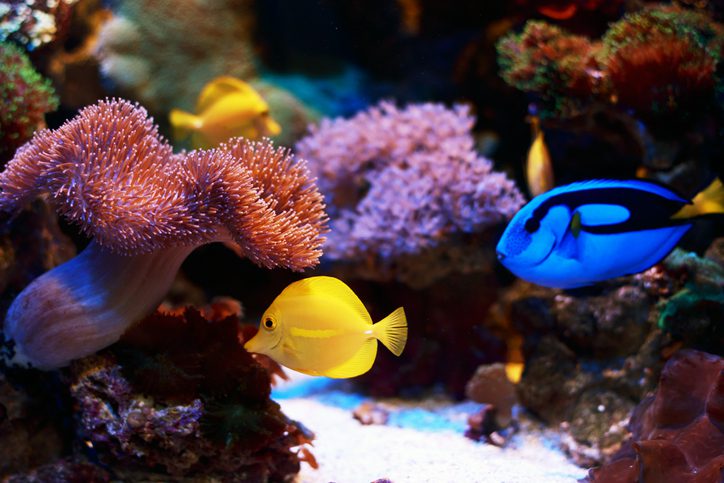
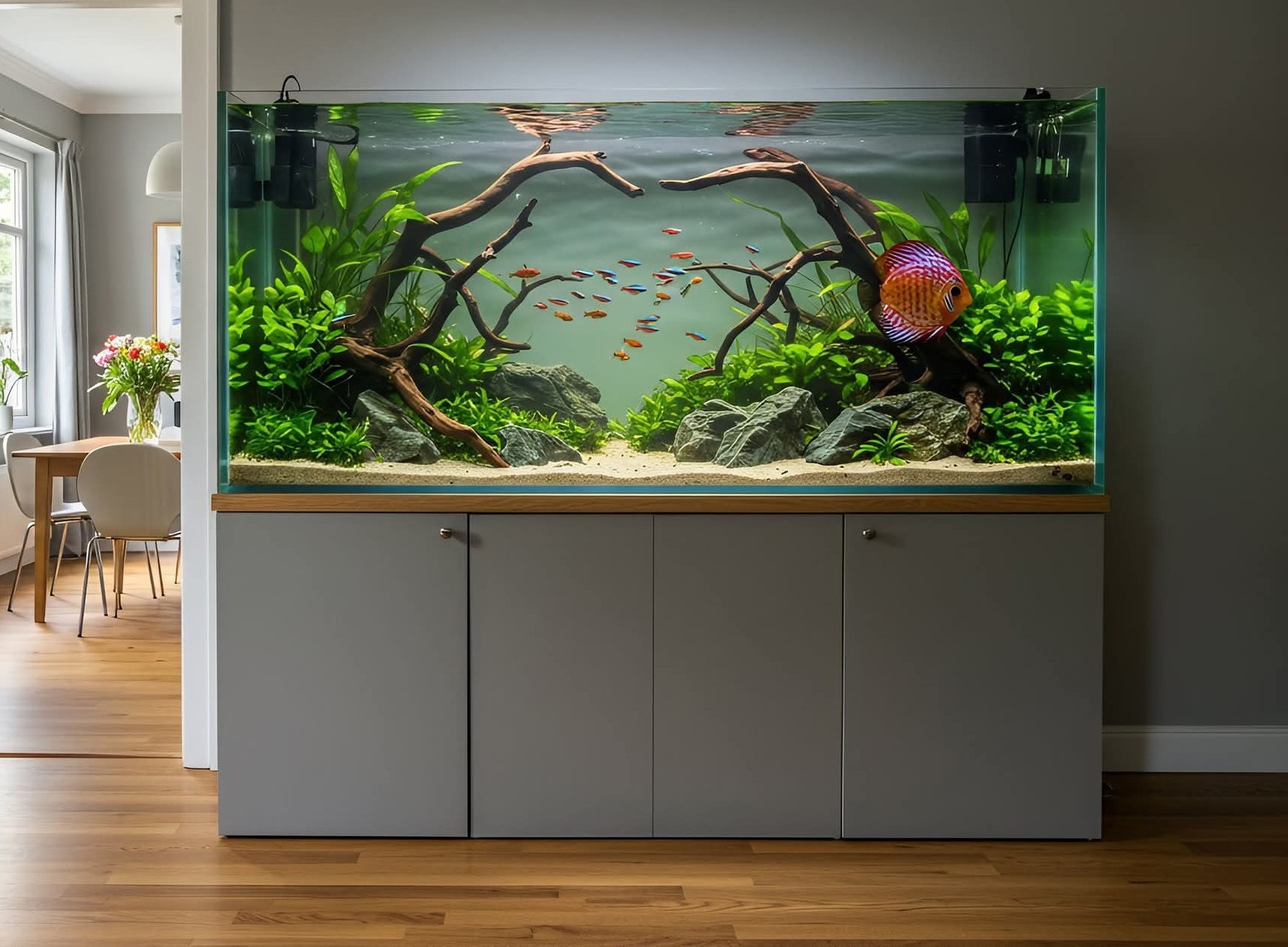
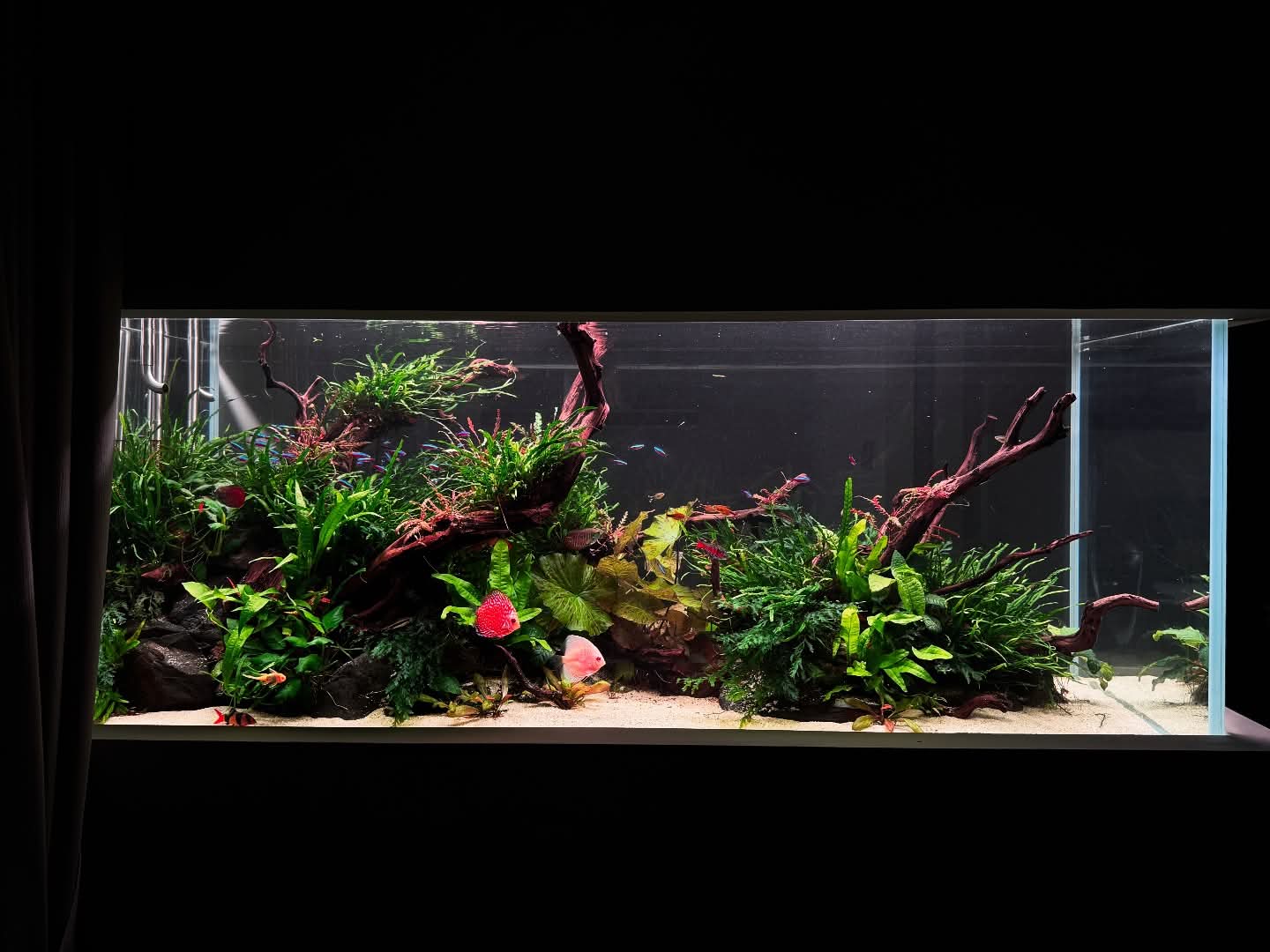
Across freshwater, marine, brackish, and biotope aquariums, one principle remains universal:
“Stress is the #1 hidden cause behind disease outbreaks, poor coloration, fin damage, aggression, and unexplained deaths.“
To understand how to prevent it, we must approach fishkeeping the way aquatic biologists and public aquaria do: that is, by studying cortisol pathways, oxygen balance, immune suppression, microbiome disruption, and ecological mismatches.
This article explains the science of fish stress with technical clarity — and exactly how to prevent it in home aquaria.
1. What Is Fish Stress? (The Physiology)
All vertebrates, including fish, share a core biological response to threats:
The Hypothalamic–Pituitary–Interrenal (HPI) Axis
When a fish experiences stress:
- The hypothalamus detects danger or instability
- Signals the pituitary
- Which activates the interrenal gland (fish version of adrenal glands)
- Producing cortisol
What cortisol does in fish
- Increases glucose (energy)
- Heightens alertness
- Suppresses digestion
- Suppresses immunity
- Increases oxygen demand
- Disrupts osmoregulation
- Alters respiration rate
Cortisol is not inherently bad — short bursts are normal.
Chronic elevation is what kills fish.
Across all aquarium types, chronic stress is linked with:
- Fin rot
- Secondary bacterial infections
- Ich (white spot)
- Velvet
- Lymphocystis
- Cryptocaryon (marine ich)
- Hole-in-the-head (predisposition)
- Sudden death syndrome
- Reduced spawning
- Color fading
Prevention requires recognising the sources.
2. Universal Causes of Stress (Across All Aquarium Types)
Whether it’s a planted community tank, African biotope, reef aquarium, or brackish puffer tank — stressors fall into these engineering & biological categories:
A) Water Chemistry Instability
Fish do not fear specific values — they fear changes.
Examples:
- pH swings > 0.3/day
- KH depletion → pH crash
- Sudden GH changes
- Rapid salinity shifts (marine & brackish)
- TDS spikes
- Inconsistent temperature
Cortisol spikes occur when osmoregulation is disrupted.
B) Nitrogen Waste
The three killers:
- Ammonia
- Nitrite
- Invisible dissolved organics (DOCs)
Marine fish are even more sensitive due to their lower osmoregulatory margin.
C) Oxygen Debt
Low oxygen = immediate cortisol elevation.
Common in:
- Overstocked freshwater tanks
- Warm reef tanks (O₂ solubility drops with temperature)
- Blackwater biotopes with low aeration
- Overfed tanks
- At night in planted tanks (plants respire then)
D) Social Stress & Aggression
Fish experience:
- Territory anxiety
- Mating aggression
- Shoaling insecurity
- Predatory pressure
- Wrong tank mates
Even being chased once per hour elevates cortisol significantly.
E) Environmental Design Deficiencies
Fish evolved for:
- Flow
- Cover
- Light gradients
- Substrates
- Specific territories
Wrong habitat = constant stress.
Examples:
- Malawi cichlids without rock piles
- Marine wrasses without sand to dive into
- Gobies without burrows
- Tetras without cover
- Scats/monos kept in freshwater (instead of brackish)
F) Handling Stress
Nets, transfers, water changes done incorrectly, chasing fish — all result in cortisol spikes that last 24–72 hours.
3. How Water Chemistry Creates Stress — Freshwater, Marine & Brackish
Understanding stress means understanding osmoregulation.
Freshwater Fish
Water rushes into their bodies.
Stress occurs when:
- GH/KH suddenly increase
- pH jumps
- Temperature drops
- Ammonia > 0.2 ppm
Marine Fish
Water rushes out of their bodies.
Stress occurs with:
- Salinity deviations > 1–1.5 ppt
- Low alkalinity
- Sudden nitrate rises
- Low dissolved oxygen (very common in reefs)
Brackish Fish
These species dynamically adjust their osmoregulation.
They get stressed when kept in:
- Pure freshwater (common mistake with scats & monos)
- Pure marine
- Fluctuating salinity
Biotope Systems
They are stable only if environmental parameters match:
- Tannins
- Light penetration
- Flow patterns
- Organic load
- Leaf litter decomposition
Mismatch = stress.
4. How Filtration, Flow & Oxygen Affect Stress
Low Flow = High Cortisol
Fish interpret stagnant water as:
- Low oxygen
- Predator advantage
- Poor habitat
- Lack of territory boundaries
Reef fish and riverine fish (danios, hillstream loaches, Congo tetras) require high laminar flow.
Overpowered Flow = Chronic Fatigue
Many fish show:
- Increased respiration
- Fin vibration
- Difficulty maintaining position
Marine angelfish, bettas, discus, and gouramis are sensitive.
Oxygenation
O₂ below:
- 6 mg/L → stress
- 4 mg/L → severe stress
- 3 mg/L → death for many species
Nighttime dips in planted tanks are a major cause of unexplained morning deaths.
5. Social Hierarchies & Territory Stress
Shoaling Fish
Tetras, barbs, danios, rasboras → need groups of 8–20.
Small groups = constant vigilance = constant cortisol.
Territorial Fish
Cichlids, puffers, damsels, wrasses, dottybacks → require mapped territories.
Dominance Stress
Subordinate fish:
- Eat poorly
- Hide constantly
- Show faded colors
Over time → immune collapse.
6. Chronic Stress → Disease Pathways
Stress does not directly cause disease — it opens the door.
Cortisol suppresses:
- Mucus coat production
- Antibody generation
- Gill function
- Digestive absorption
- Beneficial gut microbiome
Then opportunistic pathogens attack.
In freshwater:
- Ich
- Velvet
- Columnaris
- Fin rot
In marine:
- Cryptocaryon
- Amyloodinium
- Bacterial gill disease
In brackish:
- Parasites flourish rapidly in unstable salinity
Biotope tanks:
- Poor flow + organics = bacterial infections
7. Habitat Design — The Most Overlooked Stress Factor
Freshwater Examples
- Discus → require soft water + stable temperature
- African cichlids → rock caves + high pH
- Betta → low flow + leaf cover
- Shrimp → biofilm-rich environment
Marine Examples
- Clownfish → anemone/algae patch
- Wrasses → sand bed
- Goby + pistol shrimp → burrow structure
- Tangs → continuous swimming space
Brackish Examples
- Scats/monos → fast-moving estuarine water
- Archerfish → surface open space
- Puffers → hardscape complexity
Biotope Examples
- Amazon blackwater → dim light, tannins, leaf litter
- Hillstream → cold, high oxygen, high flow
- African rivers → sand + branches
Mismatch = chronic stress.
8. How to Reduce Stress in ANY Aquarium System
✔ Stabilise water chemistry
- Maintain consistent pH/KH/GH
- Avoid large TDS jumps
- Keep salinity stable in marine/brackish
✔ Provide correct flow
- Use circulation pumps
- Avoid laminar blasting of slow swimmers
✔ Oxygenate properly
- Surface agitation
- Additional aeration
- Reef skimmers (oxygen powerhouse)
✔ Stock correctly
- Enough space
- Correct ratios
- Species compatibility
✔ Provide habitat-appropriate design
- Rocks, caves, sand, cover
- Open swimming zones
✔ Reduce handling
- Use containers, not nets
- Gentle water changes
✔ Feed correctly
- Marine fish need varied frozen diet
- Freshwater predators need low-fat, non-mammalian foods
✔ Quarantine new fish
10–20 days minimum reduces pathogen pressure.
9. How ProHobby™ Ensures Low-Stress, Healthy Livestock
At ProHobby™, fish, shrimp, and marine species are maintained with:
- Professional quarantine
- Salt dips where needed
- Aeration-rich systems
- Stable temperature control
- Correct salinity for brackish species
- Species-appropriate hardscape
- Stress-free handling
- High-oxygen holding tanks
- Balanced stocking densities
- Premium filtration and bio-media
- Quiet environment
This dramatically lowers cortisol → strengthens immunity → ensures healthier customers’ tanks.
Conclusion — Fish Stress Is Science, Not Guesswork
Across freshwater, marine, brackish, and biotope aquariums, preventing stress is the foundation of long-term success.
Fish do not need expensive equipment —
they need stability, oxygen, territory, compatible tankmates, and correct water chemistry.
When you design their environment around their biology, your aquarium becomes stable, disease-free, and a joy to maintain.